
The digital co-pilot for safe and efficient heavy and oversized transport – with additional costs
Even on longer car journeys, having a co-pilot can be a great help: they can take over the wheel or handle navigation; they generally provide entertainment and act as a check for the driver in potentially risky situations. In the world of heavy haulage and oversized transport, however, driver support is much more than helpful—it is essential. The notices issued in advance by the various authorities along the route for each heavy haulage transport often comprise more than 100 pages containing requirements that must be observed during the journey. Neither reading them while driving nor memorizing them in advance are feasible solutions for the driver. And this is where the co-pilot comes in or, in times of technological progress and severe personnel shortages in the industry, increasingly its digital counterpart. The digitalization of transport is revolutionizing this sector, and the digital co-pilot is an example of how technology can improve efficiency and safety.
The digital co-pilot supports both the company and, above all, the drivers in meeting the stringent requirements of every oversized transport operation, from complying with strict legal regulations to ensuring maximum road safety. This modern technology that saves (human) resources, usually implemented in the form of an app, is a pilot project that has already been rolled out and is being used increasingly. It is foreseeable that in the near future the digital co-pilot will not only be an option, but will become part of the permit regulations—and will therefore have to be factored in as an additional, mandatory cost item for the freight forwarder. In light of these developments, in this article we want to take a closer look at the benefits of digital driving assistance developed specifically for the heavy haulage sector and why this technology is so important for our industry.
In the oversized transport industry, compliance with permits and regulations is essential.
With increasingly complex demands from the authorities, digital co-piloting technology will soon be more than just a useful tool: it is expected to become mandatory. But the silver lining of this development lies in the driving assistant’s numerous benefits: in addition to easing the burden on the driver and the transport company, which does not need to deploy an additional person for the transport, the technology helps ensure precise adherence to prescribed routes and their associated requirements.
The digital co-pilot displays the full range of driving requirements and comprehensive instructions for all persons involved in the transport, including administrative personnel. In addition, it plays them back acoustically if necessary. It is always up to date and does not distract the driver in critical behind-the-wheel situations. The apps, available in multiple languages, are also an excellent solution for international transport companies and those with multinational workforces.
Driving assistance contributes significantly to road safety, especially on frequently travelled routes where drivers often assume they have a full overview of all notices and conditions.
The digital co-pilot informs drivers in real time about the permitted route and all critical conditions, taking into account the latest changes that might otherwise easily get lost in the flood of information. This minimizes the risk of accidents and incorrect routing. In the event of route changes resulting from modifications made by authorities to permitted sections of the route, the initially planned itinerary can be adjusted. In these cases, the technology provides an immediate alert so that the driver can react in time and reorient themselves. Thorough transport preparation is and remains key to smooth transport execution.
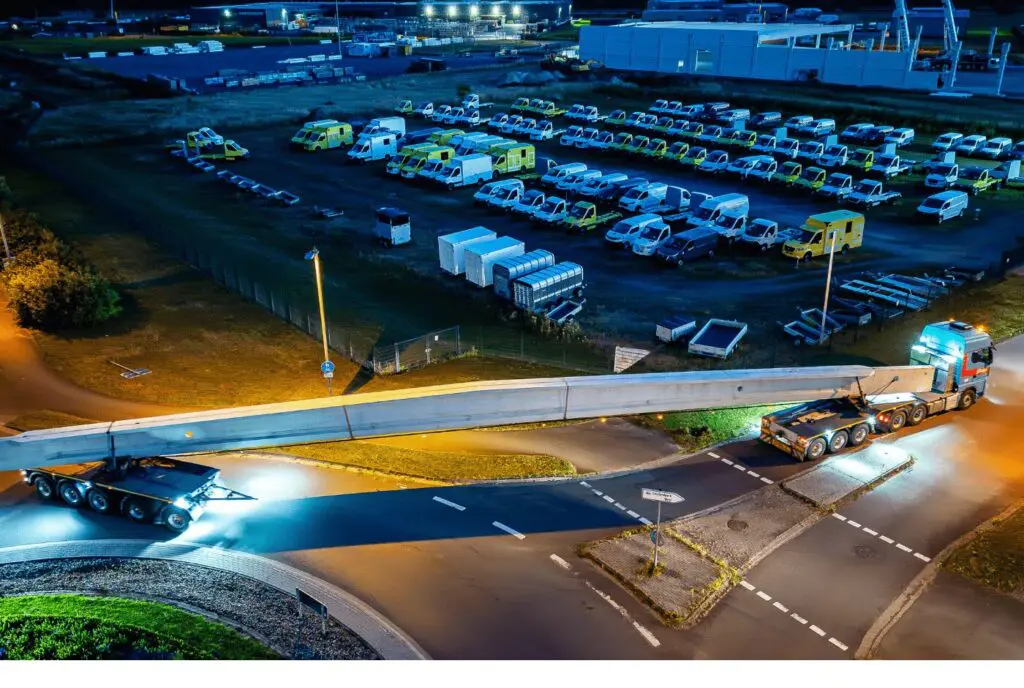
Digital copilots often provide a detailed briefing by visually and acoustically communicating and explaining all requirements and driving instructions before the journey begins.
During the journey, the driver can and must concentrate fully on the road.
The driver assistance system handles route navigation and compliance with complex bureaucratic requirements: all essential information is always available.
In light of the increasingly acute staff shortage in the industry, this technology, which will soon become mandatory, is an indispensable partner for any transport company operating in the abnormal transport sector. By ensuring legal compliance, enhancing road safety, preparing journeys efficiently, and relieving the workload of drivers, the driving assistant ensures smooth transport operations.
GRUBER Logistics: between official regulations and practical implementation
As a leading company in the abnormal transport sector, GRUBER Logistics enthusiastically welcomes any innovation that helps improve road safety and increase efficiency.
The digital copilot undoubtedly represents a major technological advancement capable of tackling the challenges of the abnormal transport sector.
However, we are concerned about the growing requirement for such technologies driven by government regulations, which will inevitably result in additional costs for our customers.
While we clearly recognize the benefits of digital driving assistance and are actively promoting its adoption across our processes, we must also keep a close eye on the cost-benefit ratio.
Nevertheless, budget allocation in this case appears more sensible than for other requirements, such as the mandated number of escort vehicles, the costs of which must be borne by customers. Despite the additional costs incurred by freight forwarders, our objective remains clear: we carry out safe transport operations that must simultaneously and above all meet the needs of our customers. In doing so, we continue to advocate pragmatic solutions that do justice to both transport safety and overall economic conditions.