
Sustainable fuels
A solution for reducing road transport emissions
Reducing freight transport emissions is both necessary and urgent, and finding effective solutions to achieve this is now a top priority for the transport and logistics industry.
The technology is available, and various solutions can be tailored to specific needs.
A solution for every need
Moving towards sustainable freight transport requires innovative and transparent solutions. From using sustainable fuels to certifying CO₂ reductions, adopting tools that deliver measurable results is essential.
Traceable
Direct purchase of sustainable fuels offering emission reductions between 70% and 90%, used directly within the GRUBER Logistics fleet.
SCALABLE
Solutions adaptable across Europe and compatible with all transport flows and road freight services with no limits on scalability.
MEASURABLE
Certified impact on emission reductions for every shipment, reportable according to international standards and with transparency guaranteed by third-party bodies.
Sustainable fuels from renewable sources available across all our services
- BioLNG: -70% emissions
- Biodiesel B100: -70% emissions
- HVO100: -90% emissions
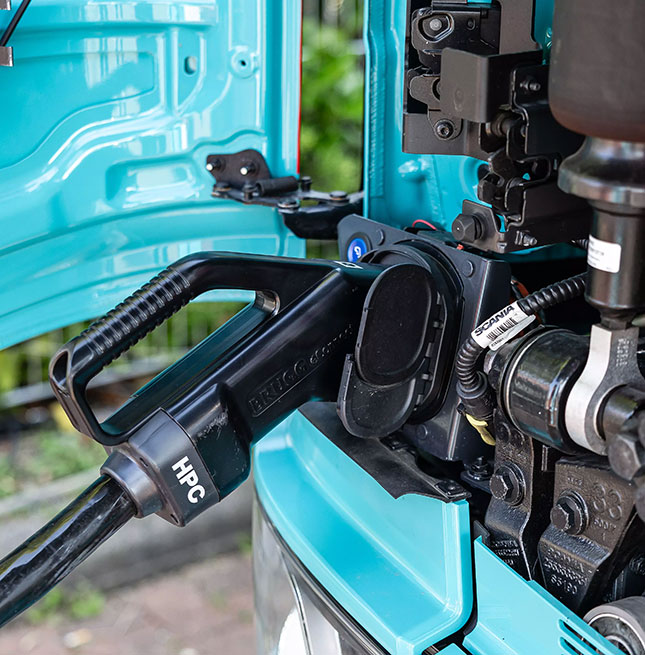
- Electric vehicles: -100% emissions*
*with the purchase of electricity from renewable sources
ISCC certification on all sustainable fuels used in compliance with European Regulations.
Certified renewable feedstocks without the use of products at risk of deforestation or indirect land-use change (ILUC).
Emissions calculated according to the Well-to-Wheel (WTW) cycle in accordance with GLEC and ISO 14083 standards.
Certified reporting for carbon accounting
When investing in emission reduction, it is essential to track the results achieved and be able to declare them clearly and transparently.
View Sample Sustainability CertificateDirect procurement of sustainable fuels
in compliance with company policy and only following audits to verify product quality and the certification of raw materials used for fuel production.
Direct consumption of sustainable fuels
via our proprietary fleet vehicles, with verification of quantities consumed by each individual vehicle through our TMS (Transport Management System).
Allocation of consumption
of sustainable fuels to our clients’ transports and certified emissions calculation following the Book and Claim standard.
Find out more about our sustainable fuel solutions
What is a biofuel?
Biofuels such as BioLNG and HVO are renewable fuels produced from biomass or organic waste.
BioLNG (liquefied biomethane) is derived from the purification and liquefaction of biogas produced from organic waste, while Biodiesel is a liquid biofuel obtained from vegetable oils and other raw materials of organic origin; it can be blended with conventional fuel or used in pure form.
Biofuels allow for a reduction in atmospheric CO₂ emissions by a percentage that depends on their nature and production process.
What is HVO?
HVO (Hydrotreated Vegetable Oil) is a second-generation biofuel obtained from vegetable oils or waste fats treated with hydrogen.
This process removes impurities and enhances fuel properties, making it similar to fossil diesel but with lower CO₂ and particulate emissions.
It can be used pure or blended with diesel without requiring any modifications to diesel engines.
Does using electric vehicles reduce emissions?
Using an electric vehicle reduces direct emissions of CO₂ and other pollutants compared to an internal combustion vehicle, but the overall environmental impact depends on the energy mix used to generate the electricity that powers the vehicle.
If the energy comes from fossil sources, overall emissions can still be significant. For a 100% reduction, it is necessary to use energy exclusively from renewable sources such as solar, wind, or hydropower.
How are emissions calculated?
Emissions generated by transport activities depend on the volume of freight transported—as weight increases, emissions increase—and on the distance to destination: the longer the route, the higher the emissions.
Furthermore, they depend on the type of fuel used. To be certified, emission calculations must follow the international standard defined by GLEC or ISO 14083.
How emission reduction works
At GRUBER Logistics, we reduce transport-related emissions through a combination of direct and indirect management systems. While some routes can be operated directly using low-emission fuels, such as advanced biofuels, others face infrastructural or geographical constraints.
To ensure consistent and transparent carbon footprint tracking, we apply a mass balance approach: sustainable fuels are purchased and utilized by GRUBER Logistics’ fleet, and their allocation is distributed across the entire transport network, including routes where direct refueling is not yet feasible.
This enables us to maximize the positive environmental impact of every liter of biofuel used, in compliance with European sustainability standards and related certification schemes.

Looking for a quote?
Get in touch for a customized quote