Summary: GRUBER Logistics Innovation Summit 2026
In today’s ever-changing and increasingly complex logistics landscape, no one can progress alone. Guided by this belief, at the end of May we organized the GRUBER Logistics Innovation Summit 2026, bringing together experts, partners, and innovators to discuss, share ideas, and explore the future of logistics together. We now invite you to relive the most significant moments of the event through this retrospective.
Logistics innovation at NOI Tech Park Innovazione logistica al NOI Tech Park
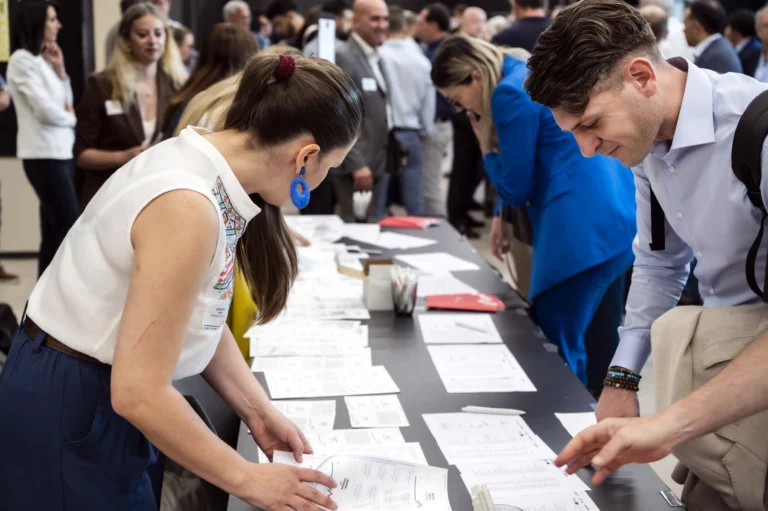
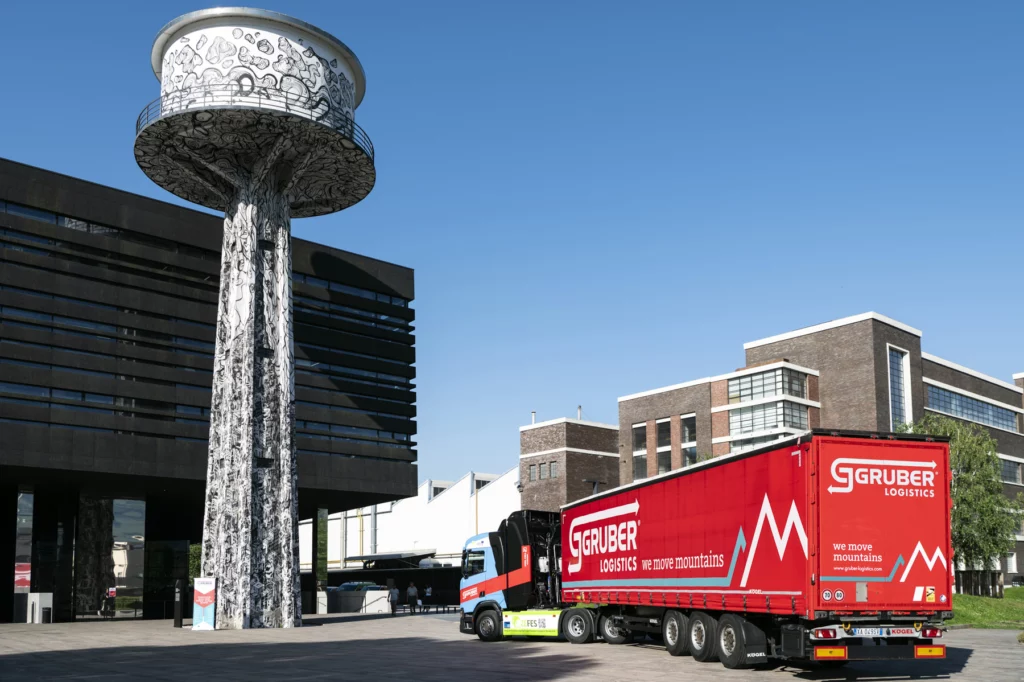
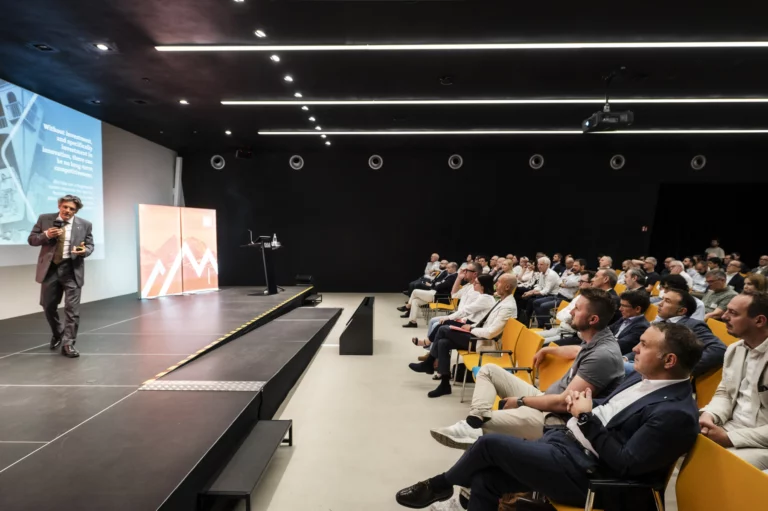
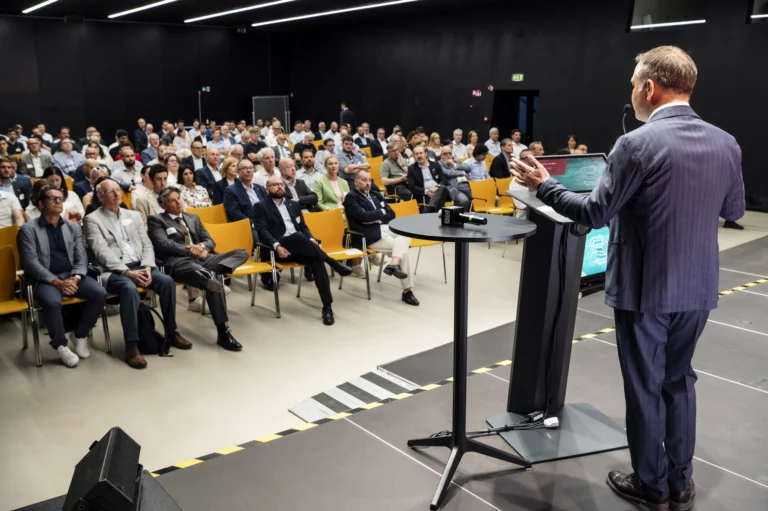
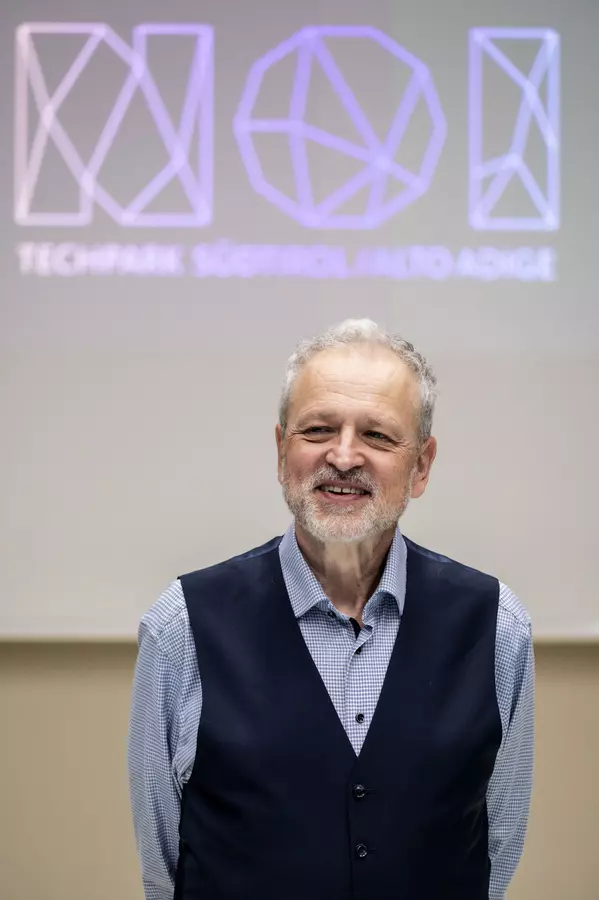
NOI Techpark provided the ideal setting for the GRUBER Logistics Innovation Summit 2026, the perfect setting for an innovation-filled day. The rich program alternated expert talks, discussion sessions, and interactive workshops, all dedicated to the future of logistics.
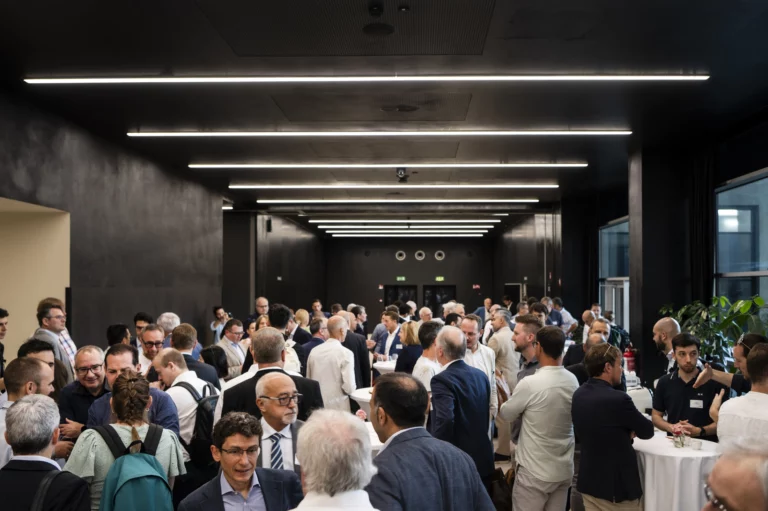
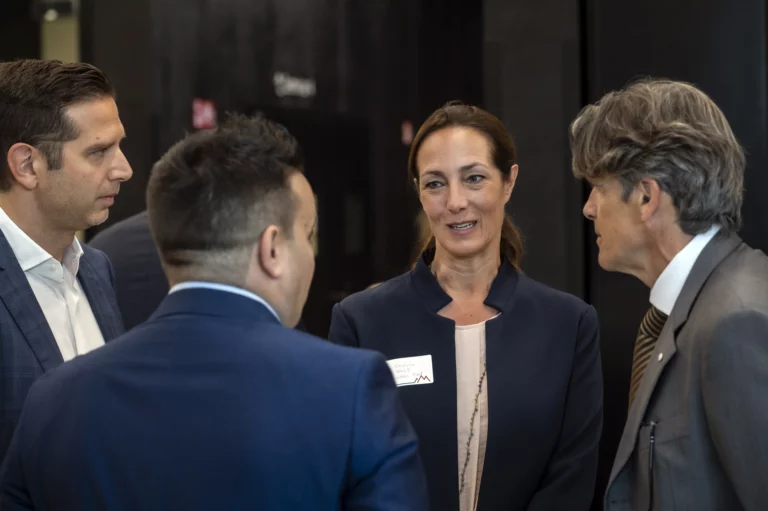
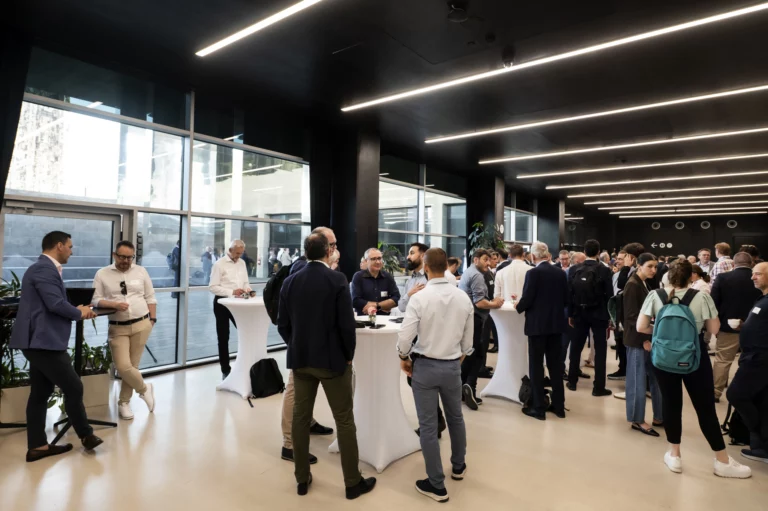
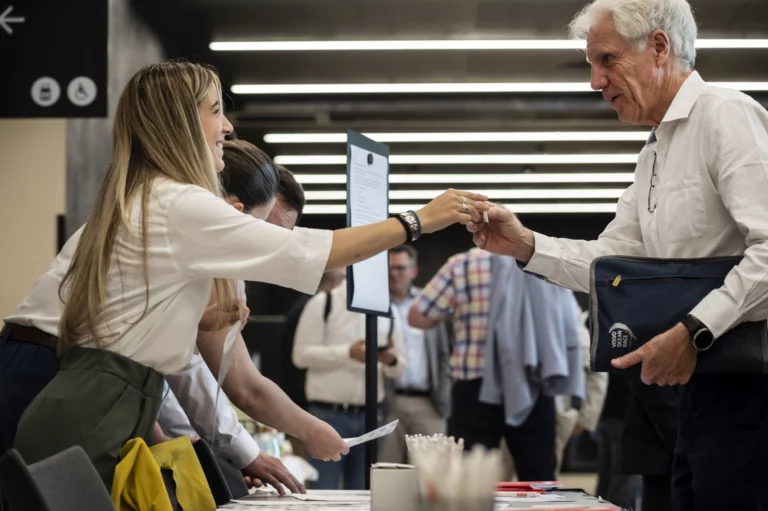
Kicking off the plenary session
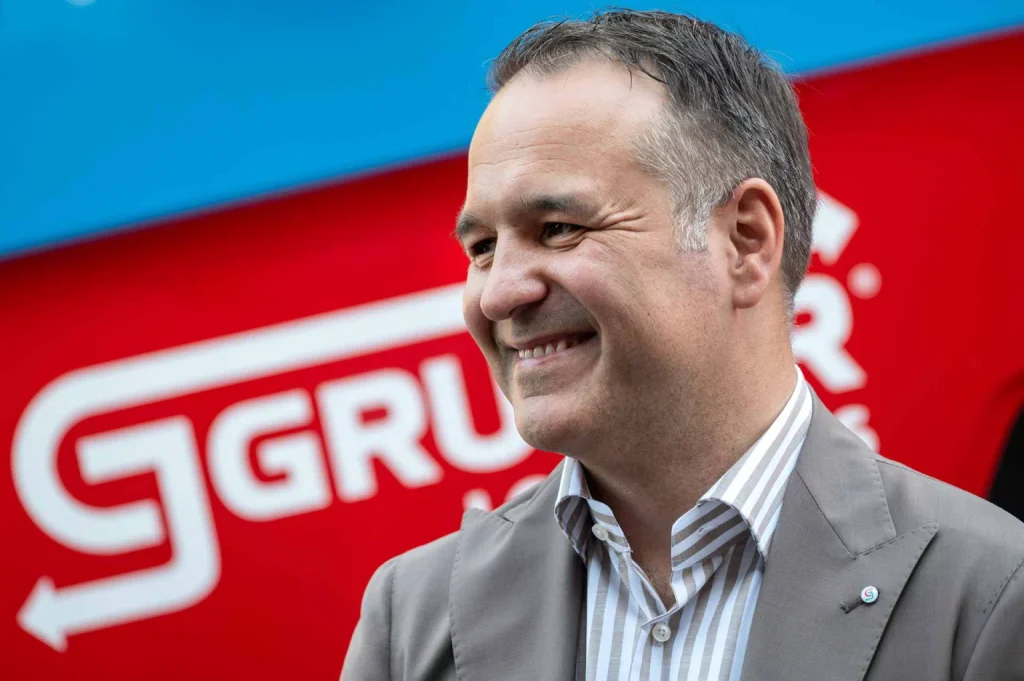
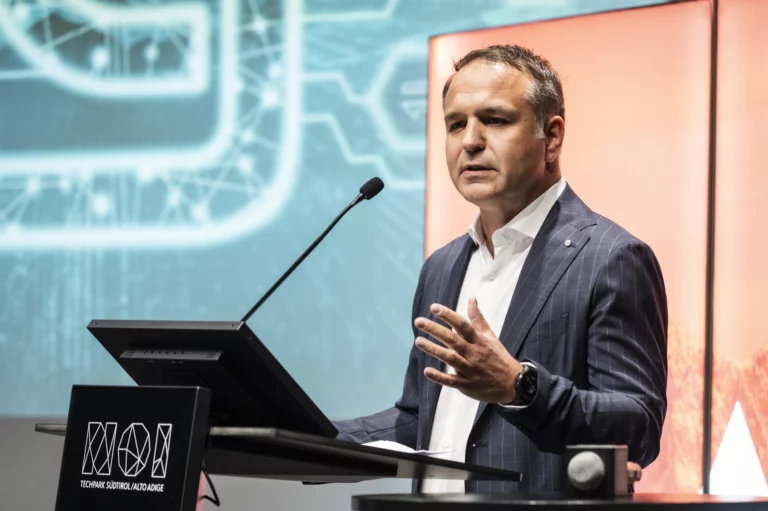
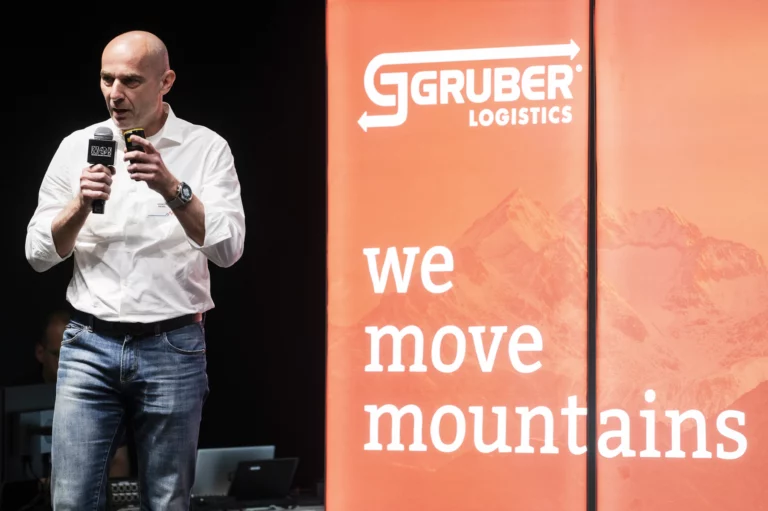
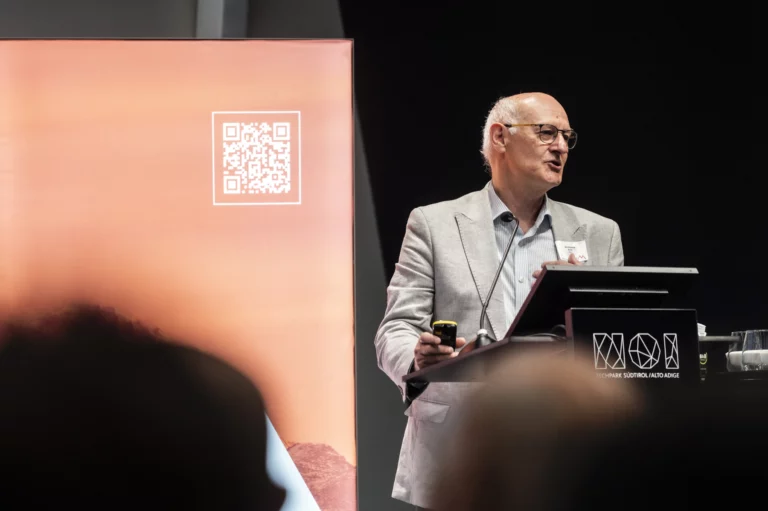
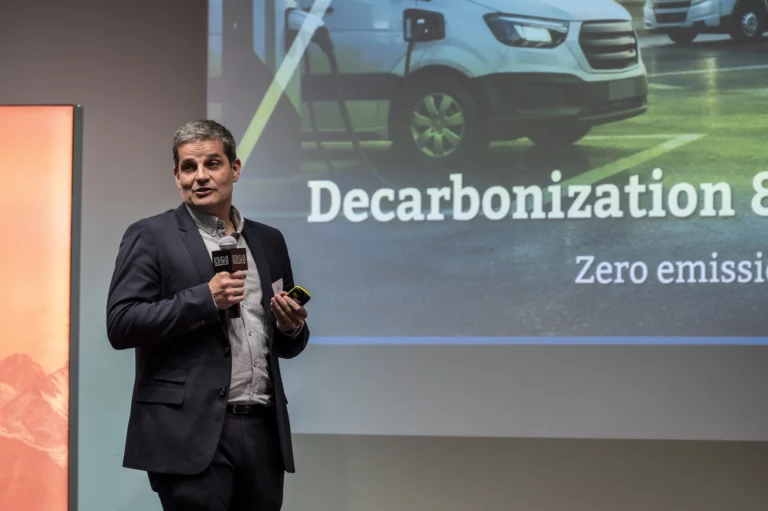
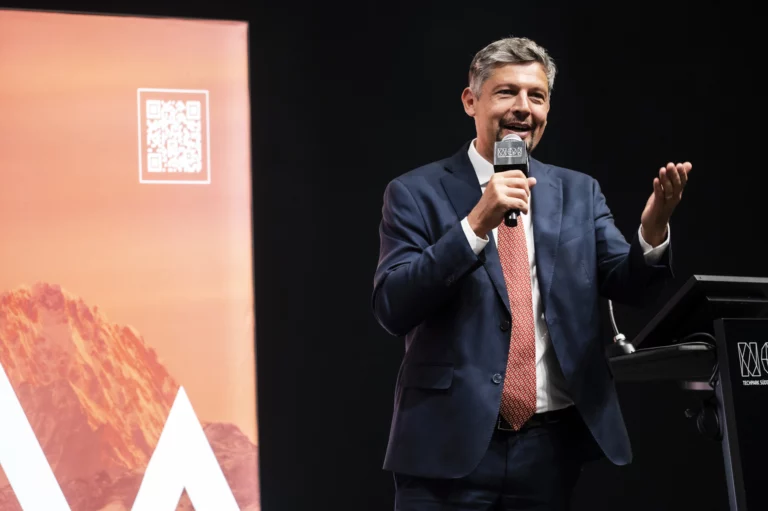
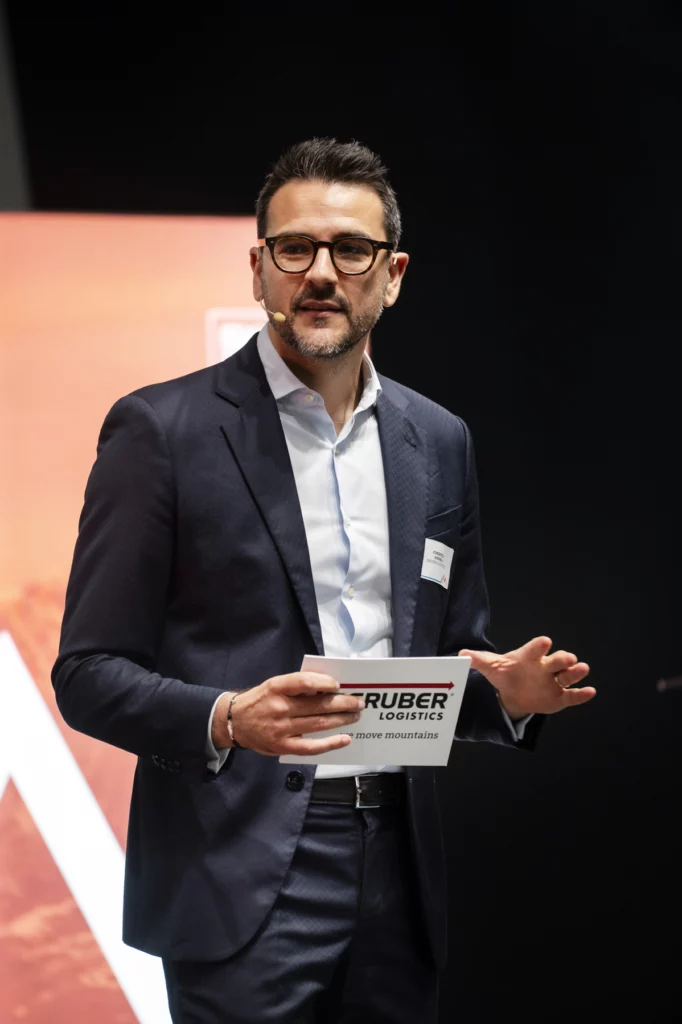
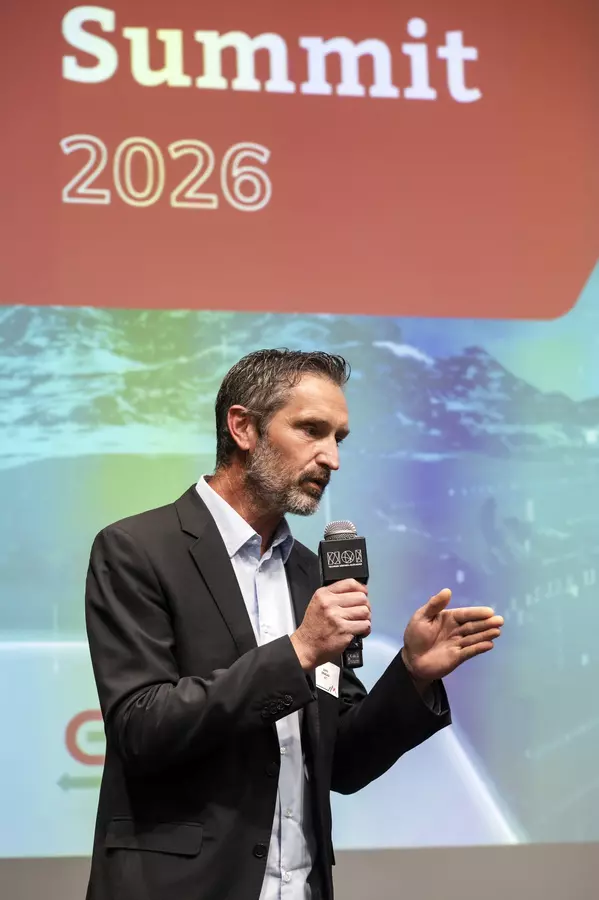
The Innovation Summit opened with welcoming remarks and institutional greetings from CEO Martin Gruber, NOI Techpark and the Autonomous Province of Bolzano. The keynote sessions offered valuable contributions from experts such as Alan McKinnon on climate logistics, Michal Silhacek on supply chain innovation, and Fernando Liesa on emerging trends, before COO Marco Manfredini analyzed the relationship between market challenges and innovation.
Martin Gruber:
In our corporate vision, we have expressed the ambition to set new standards in sustainability and digital innovation. This is not a goal reserved for the major players in our sector since it can only be achieved through collaboration.
Logistics lies at the heart of some of the most profound transformations currently redefining our economy. Innovation in our sector cannot be approached solely as a technological shift: zero-emission transport, digitalization, and automation all require an ecosystem perspective—one in which infrastructure, energy, technology, operations, and policy evolve in tandem. The true challenge lies not merely in introducing new technologies, but in creating the conditions for them to function at scale within increasingly complex supply chains.
Making logistics more sustainable is more important today than ever before. While political landscapes and priorities may shift, the underlying data remains constant. The demand for freight transport will continue to grow, and with it, the challenge of reducing its environmental impact. Consequently, the decarbonization of logistics is not contingent upon any specific political phase; rather, it is a structural challenge that our sector must confront.
Innovation does not emerge simply because two organizations decide to collaborate. It arises when individuals choose to work together, build trust, share ideas, and take risks collectively. Behind every successful partnership are people capable of forging the relationships that make innovation possible.
Fernando Liesa:
The logistics system sits at the core of some of the world’s most significant infrastructure challenges. Bridging gaps in road, rail, and energy networks is essential to enabling zero-emission freight transport, strengthening supply chain competitiveness, and building long-term resilience.
Alan McKinnon:
A climate logistics perspective is driven by the recognition that future logistics demand will be both larger and more diverse than currently projected.
Michal Silhacek:
Supply chain innovation thrives on collaboration—combining effort, expertise, and ambition to achieve what no organization can accomplish alone.
Marco Manfredini:
For too long in Europe, logistics has been viewed primarily as an operational function, with its geopolitical and strategic importance overlooked. Logistics is not merely about the efficient transport of goods; it determines Europe’s competitiveness and resilience, as well as its ability to access markets. Failing to recognize logistics as a strategic asset ultimately limits Europe’s own capacity for growth.
Awarding our innovative customers
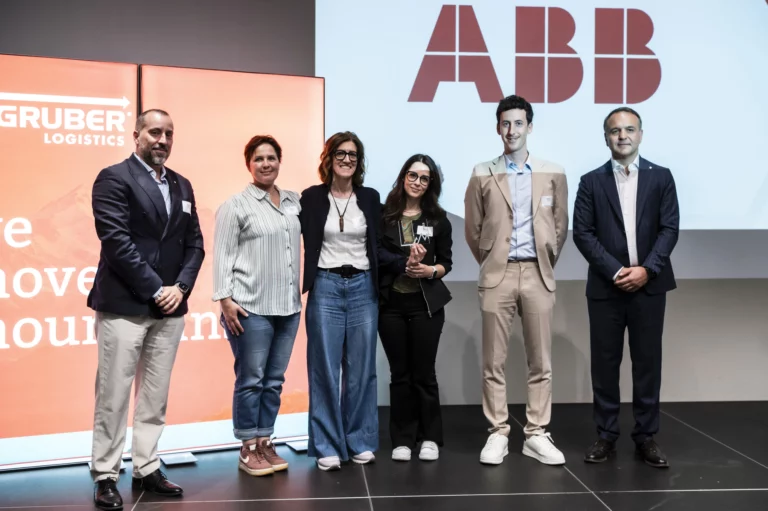
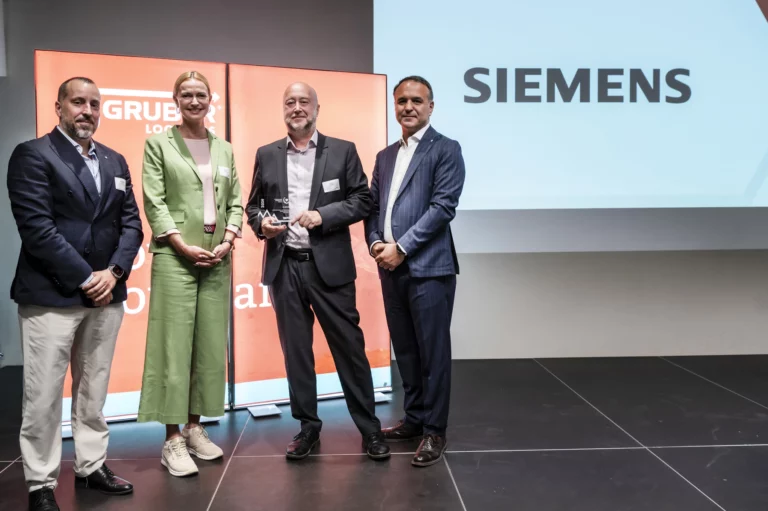
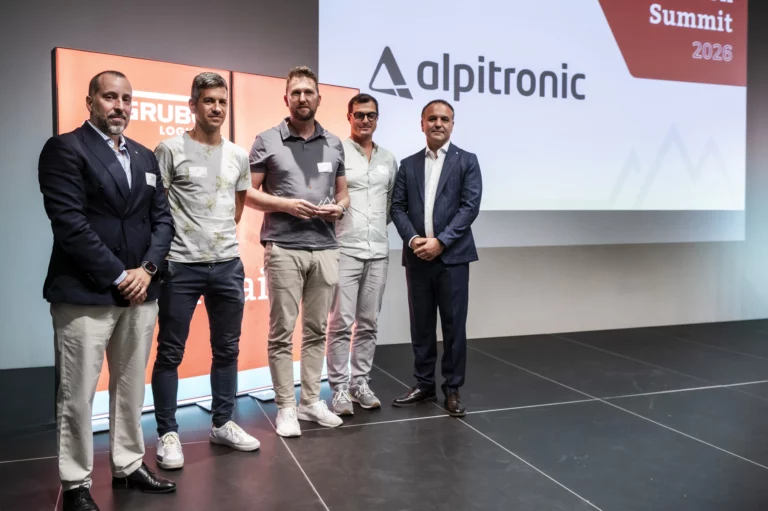
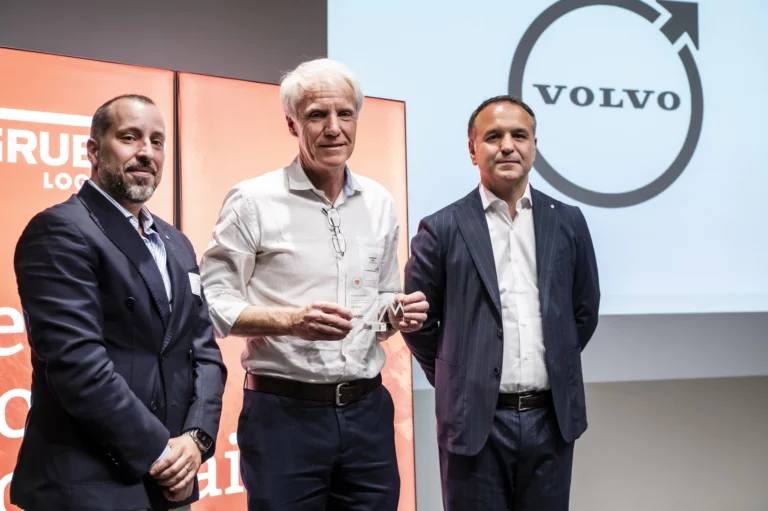
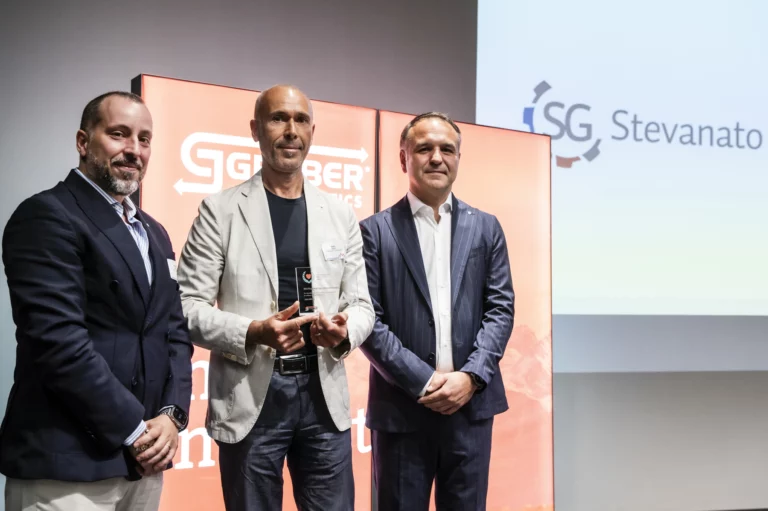
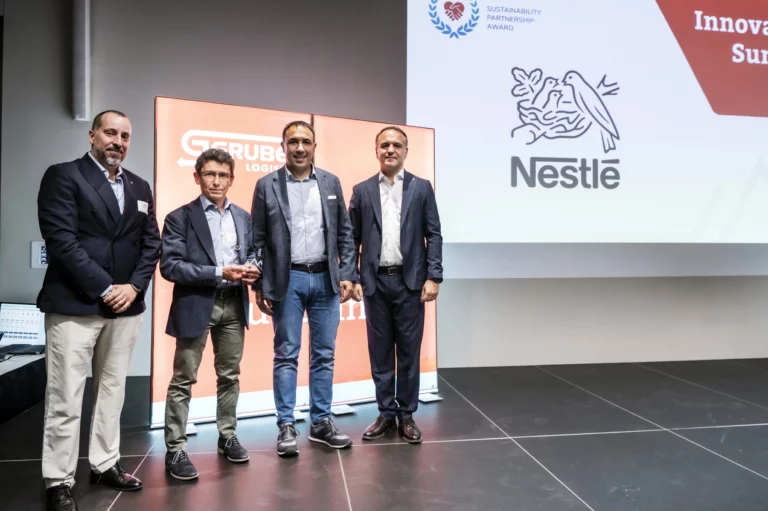
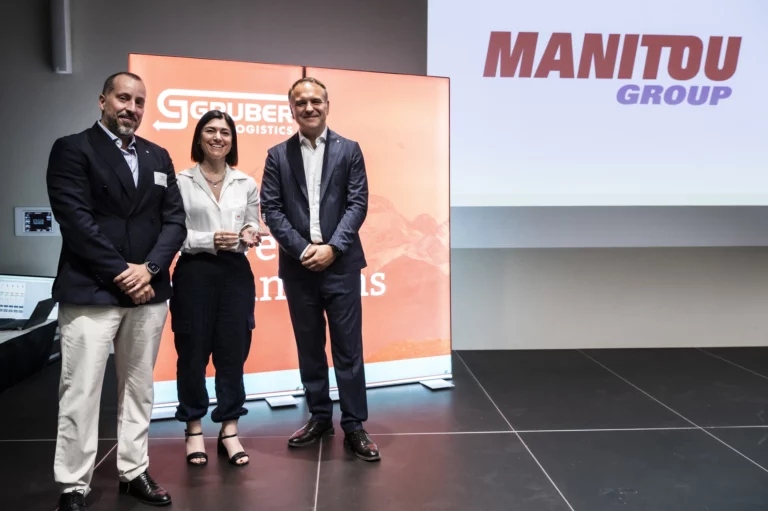
At the conclusion of the plenary session, GRUBER Logistics honored clients whose commitment to innovation is helping to shape a more sustainable future for the logistics sector. ABB, Alpitronic, Manitou, Nestlé, Stevanato Group, Siemens, and Volvo were recognized for implementing innovative transport solutions that reduce emissions and foster more sustainable supply chains.
Four thematic sessions in the afternoon
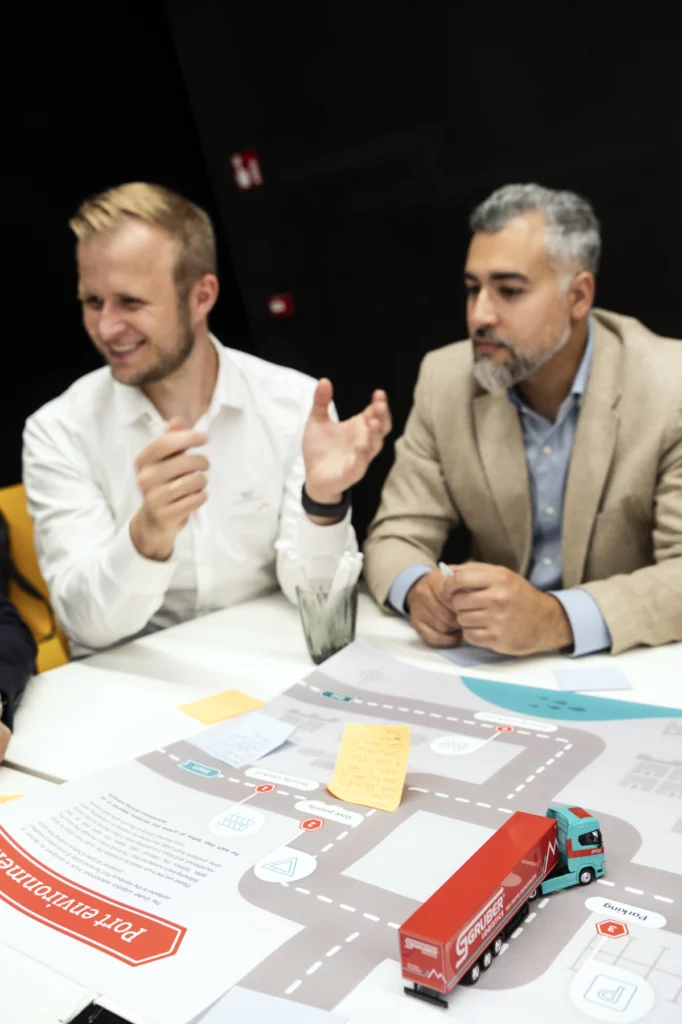
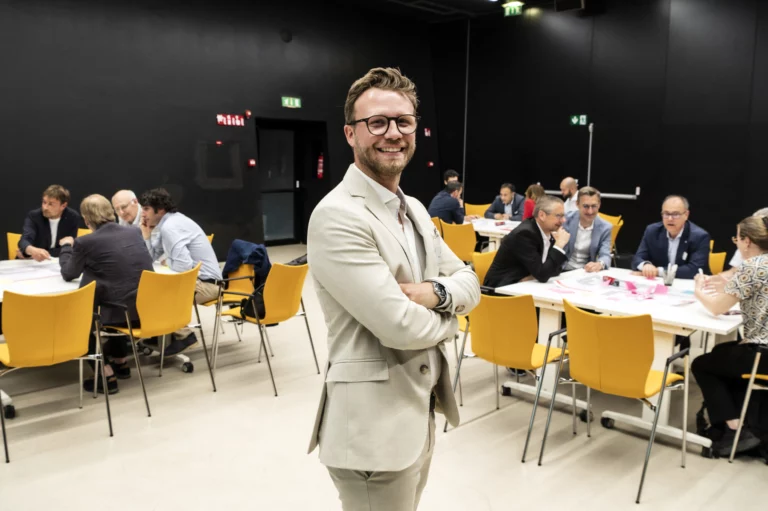
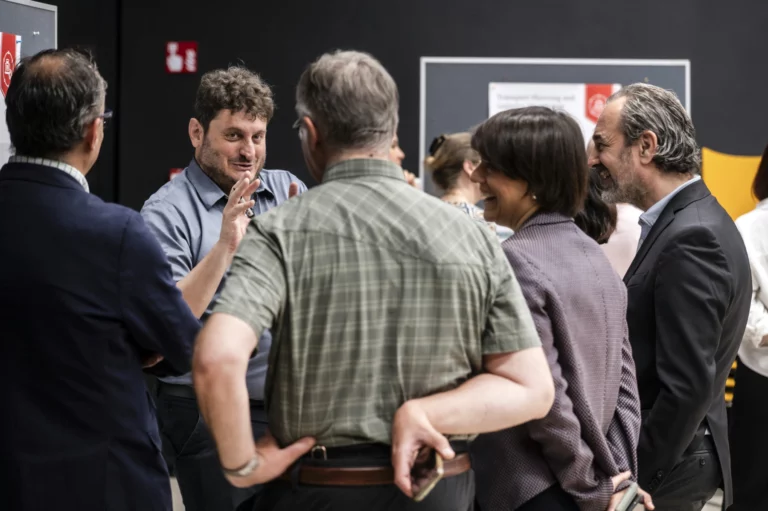
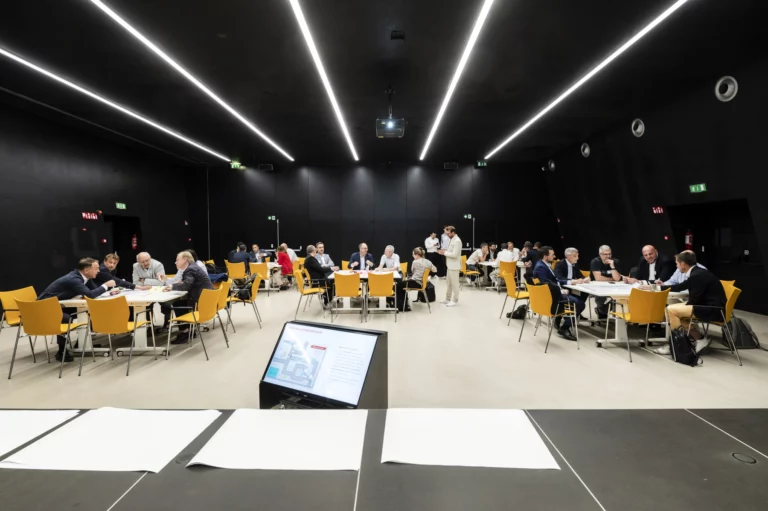
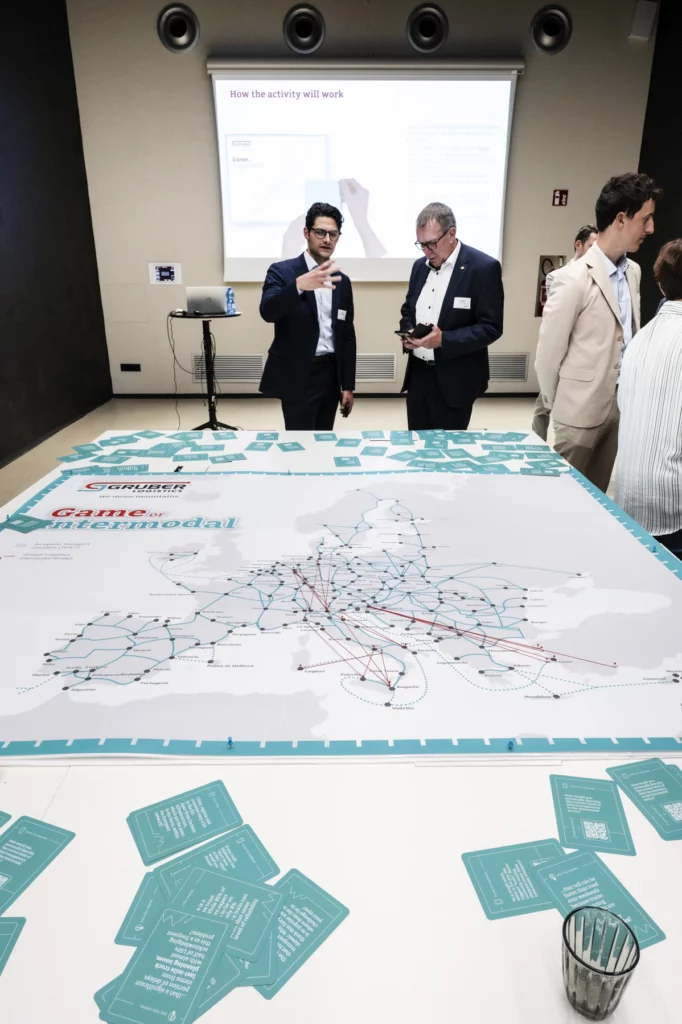
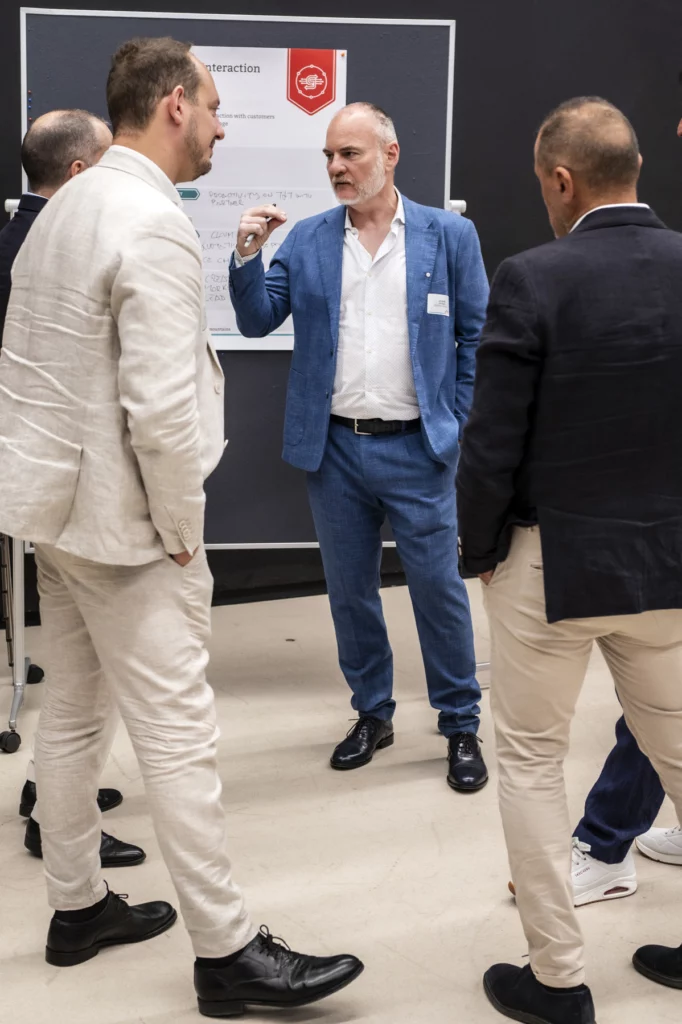
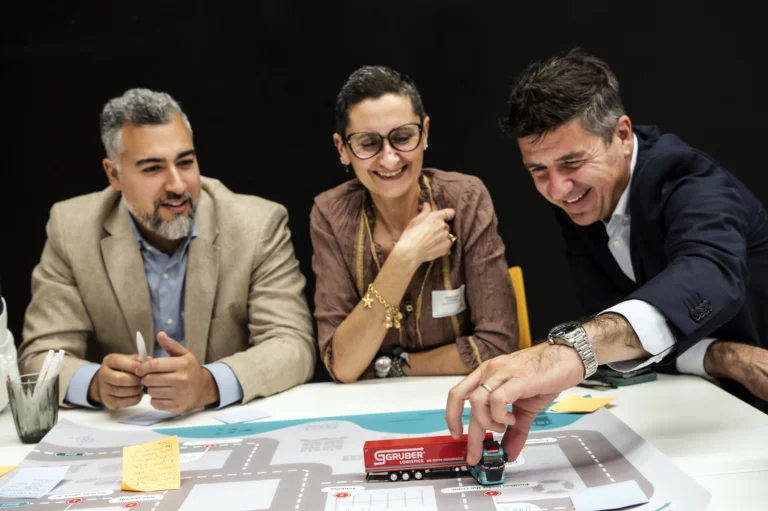
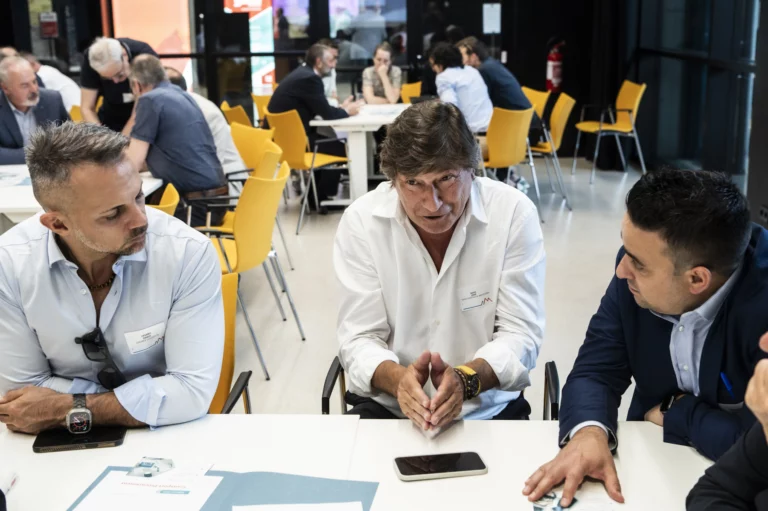
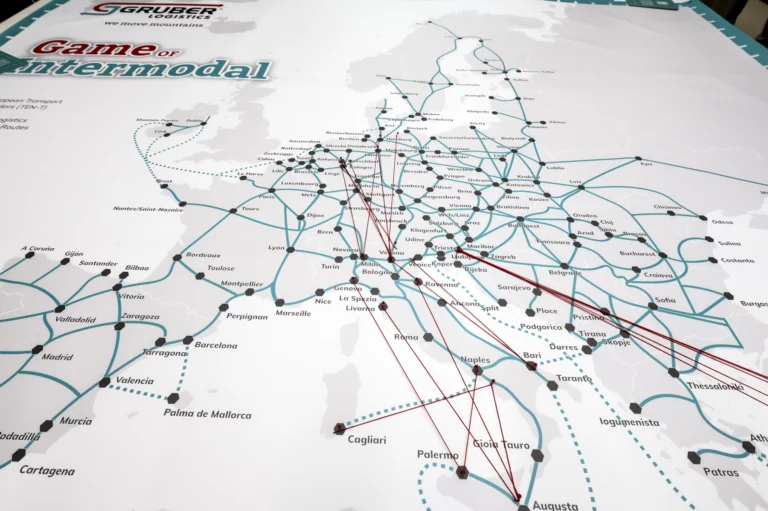
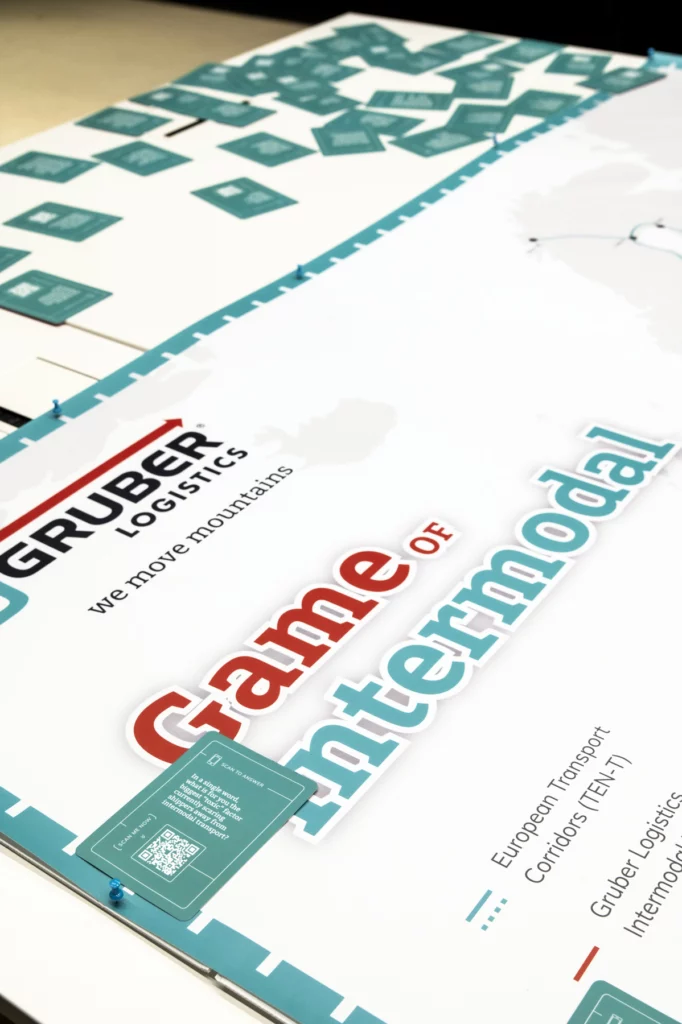
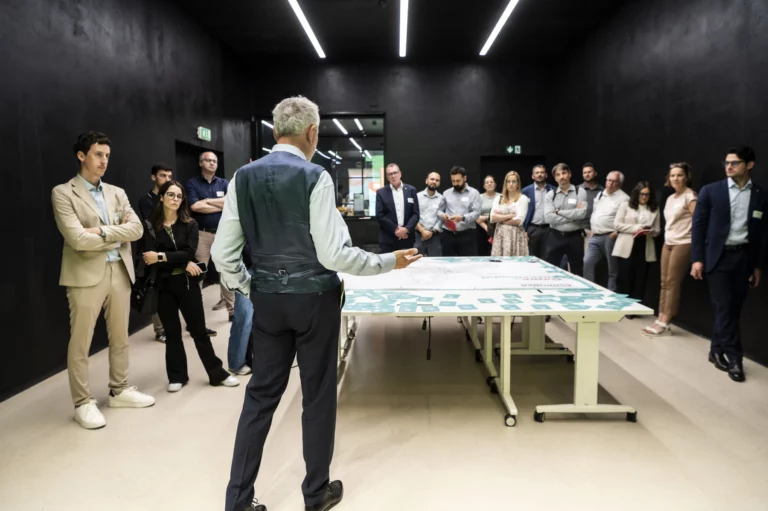
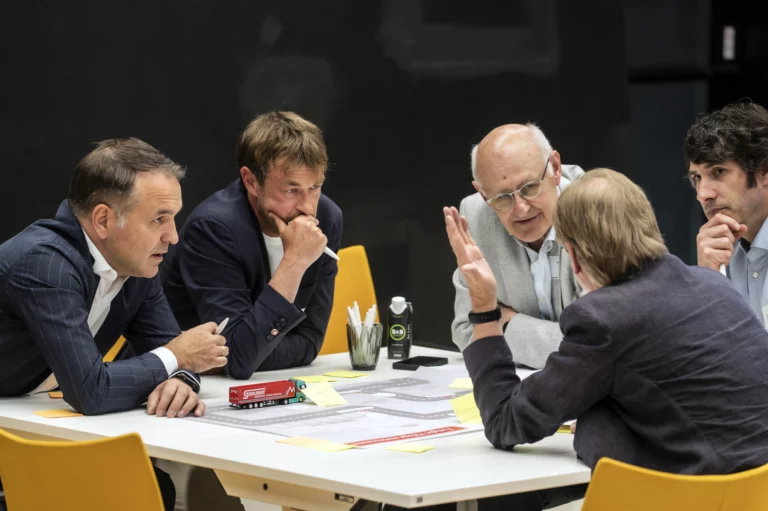
The second part of the Innovation Summit shifted from inspiration to interaction. Participants were divided into four rotating working groups, each focused on a key theme destined to shape the future of logistics. Led by industry experts, these sessions encouraged open dialogue, the exchange of knowledge, and the development of fresh perspectives on innovation.
The workshops explored four core areas: automation and artificial intelligence, moderated by Sergio Barbarino; intermodal transport, moderated by Serge Schamschula; alternative fuels, moderated by Dragan Simic; and autonomous freight transport, moderated by Tim Johannes.
Truck prototypes for everyone to experience
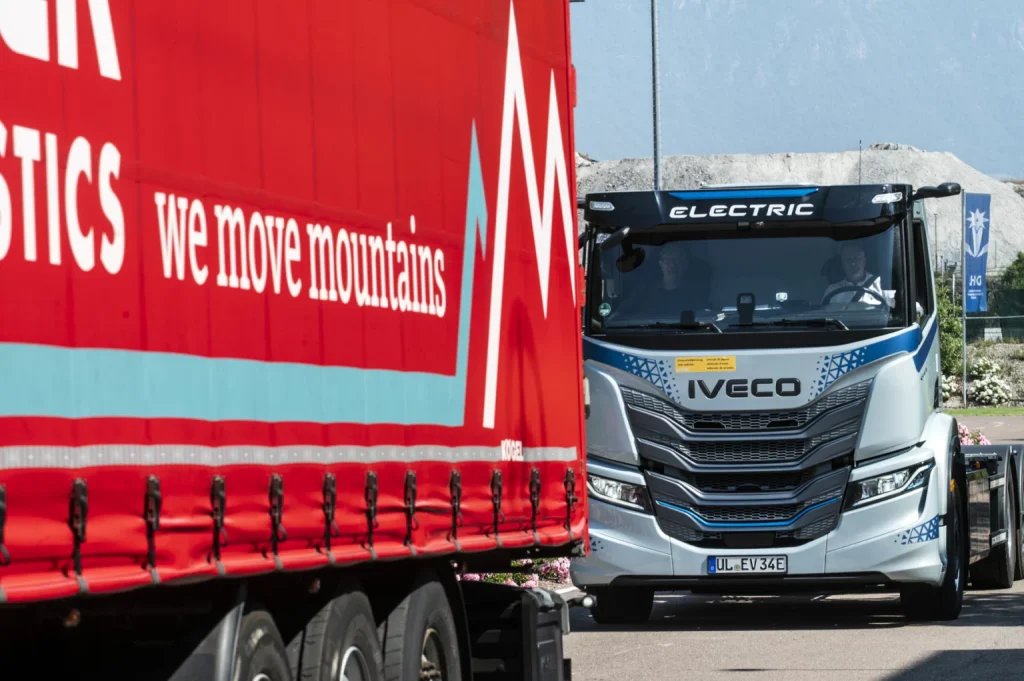
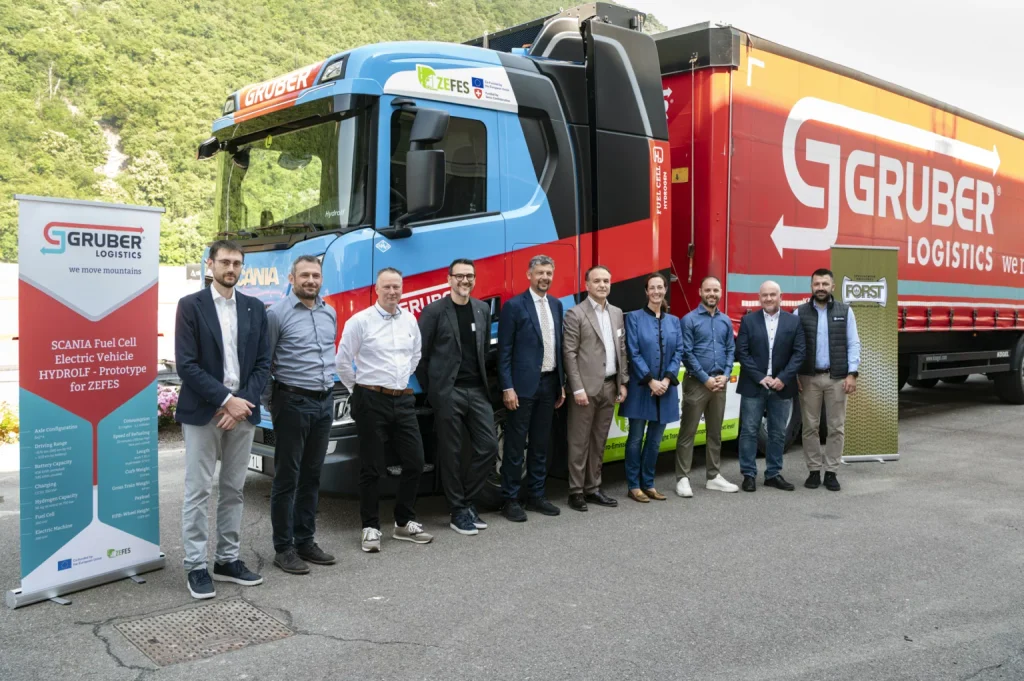
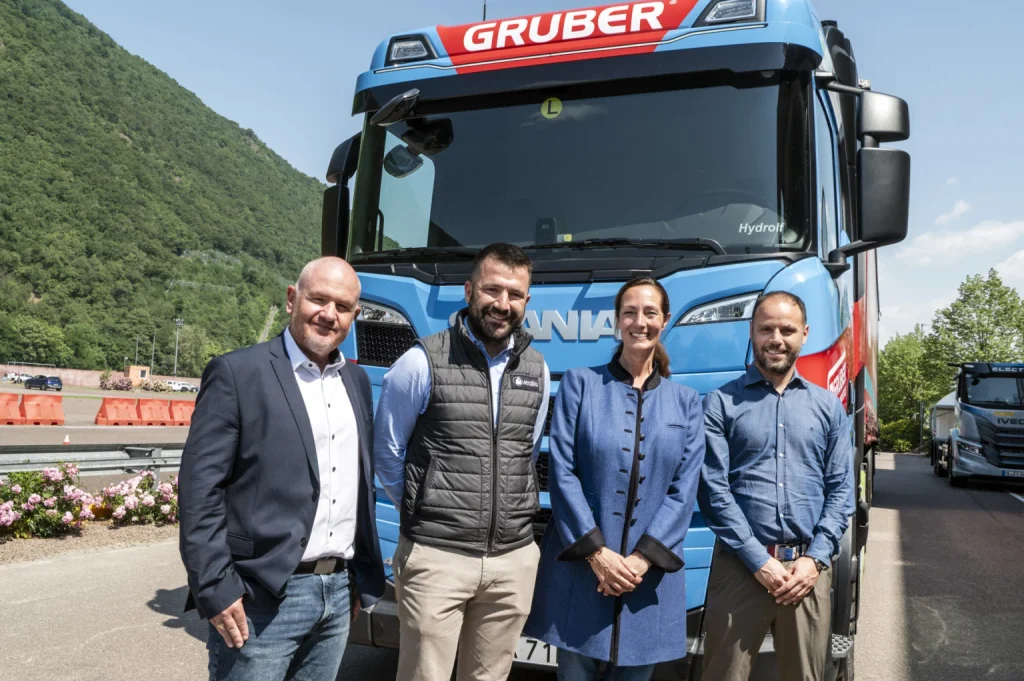
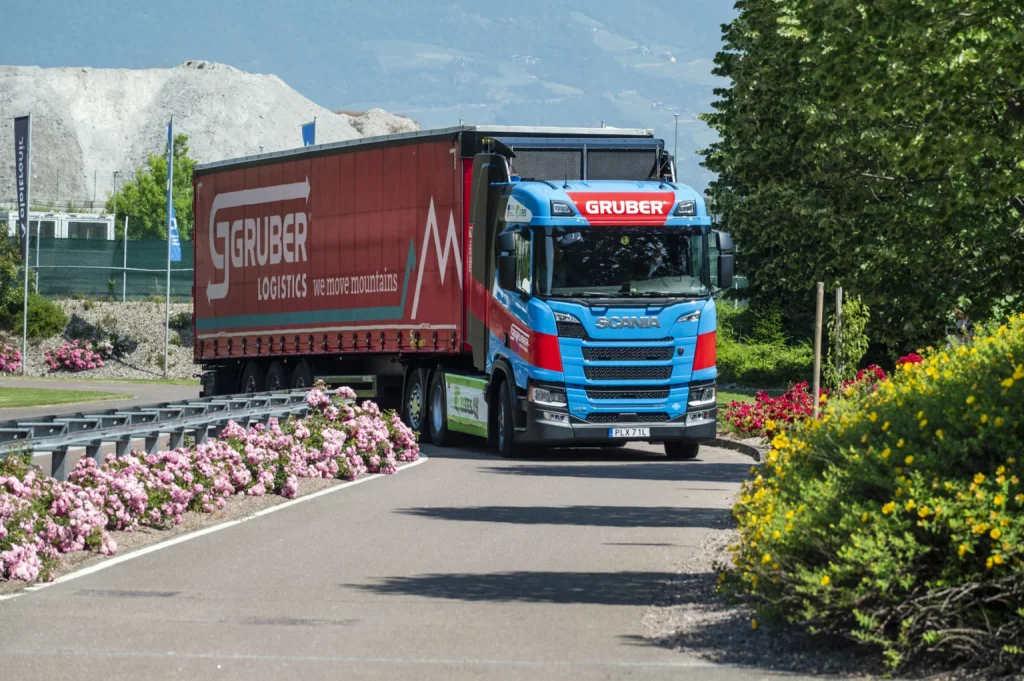
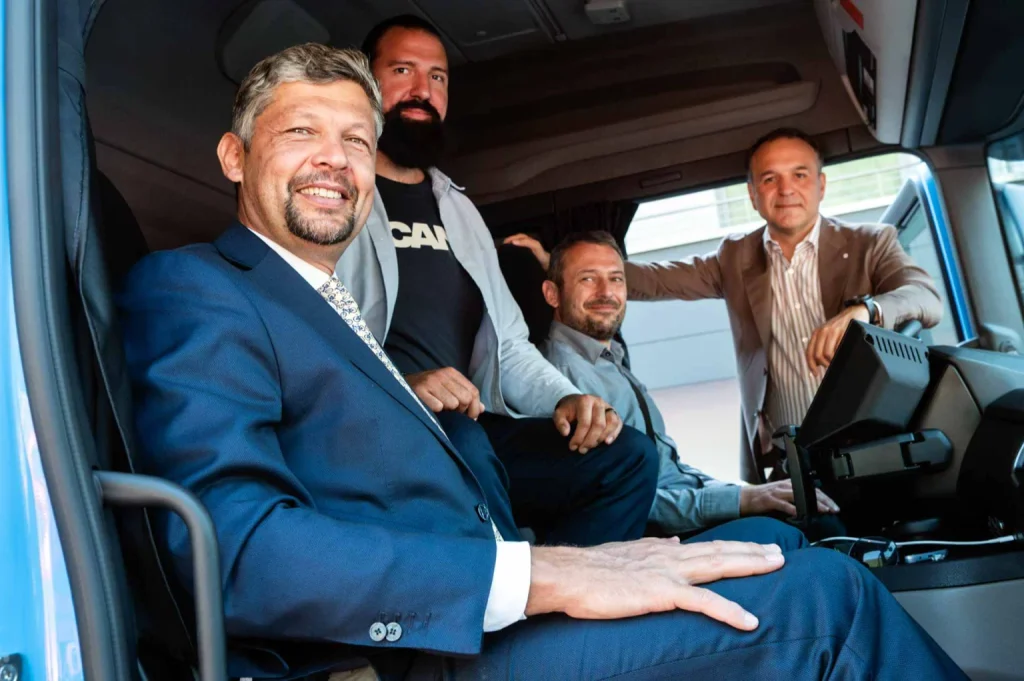
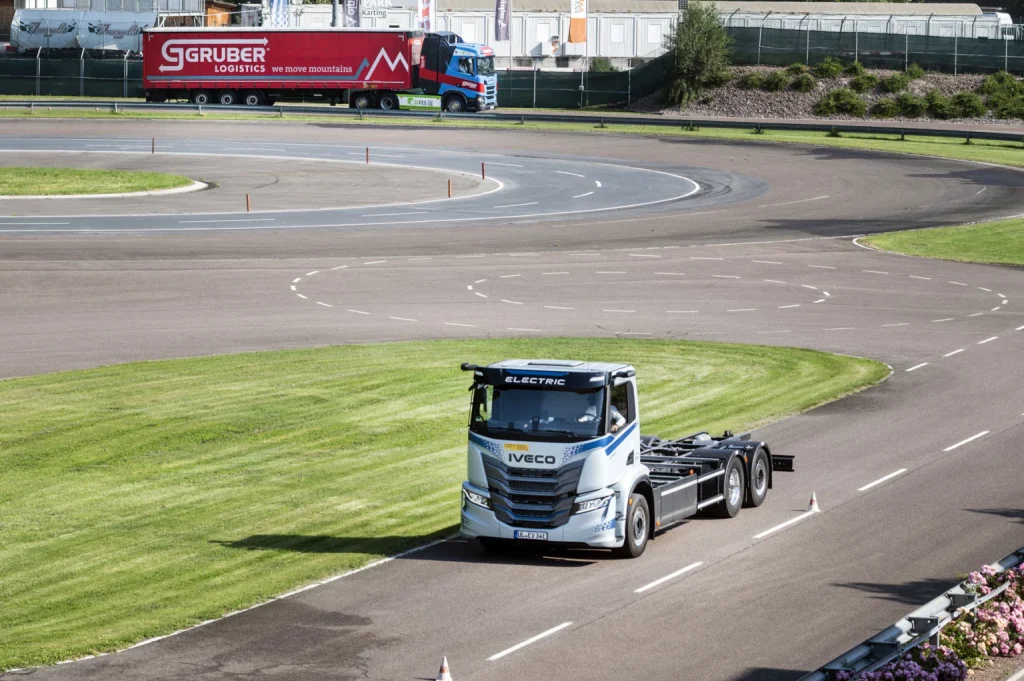
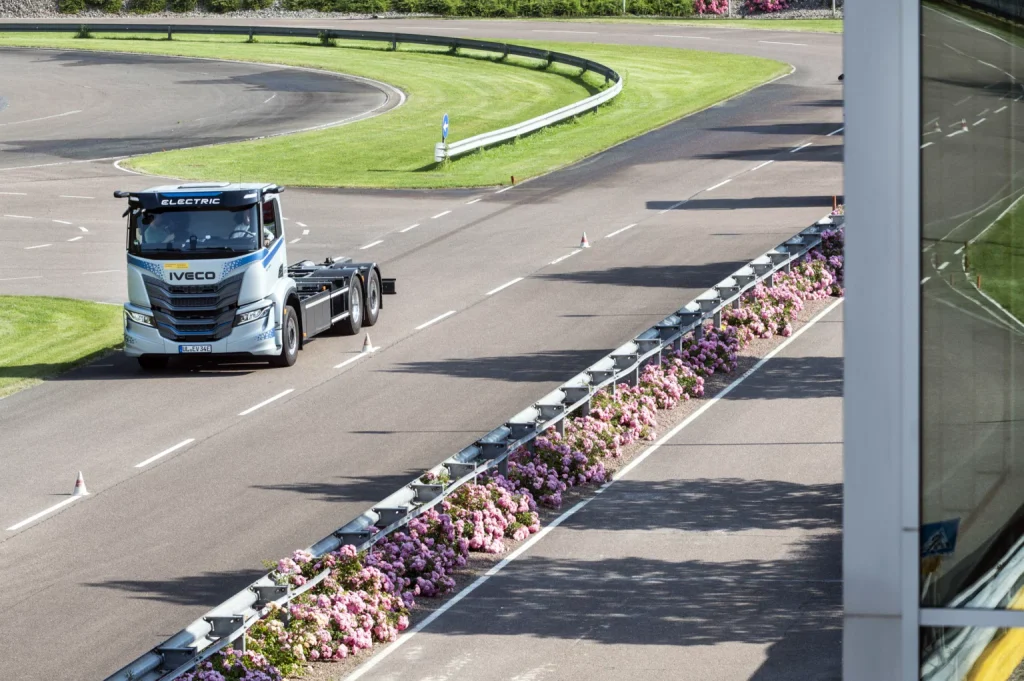
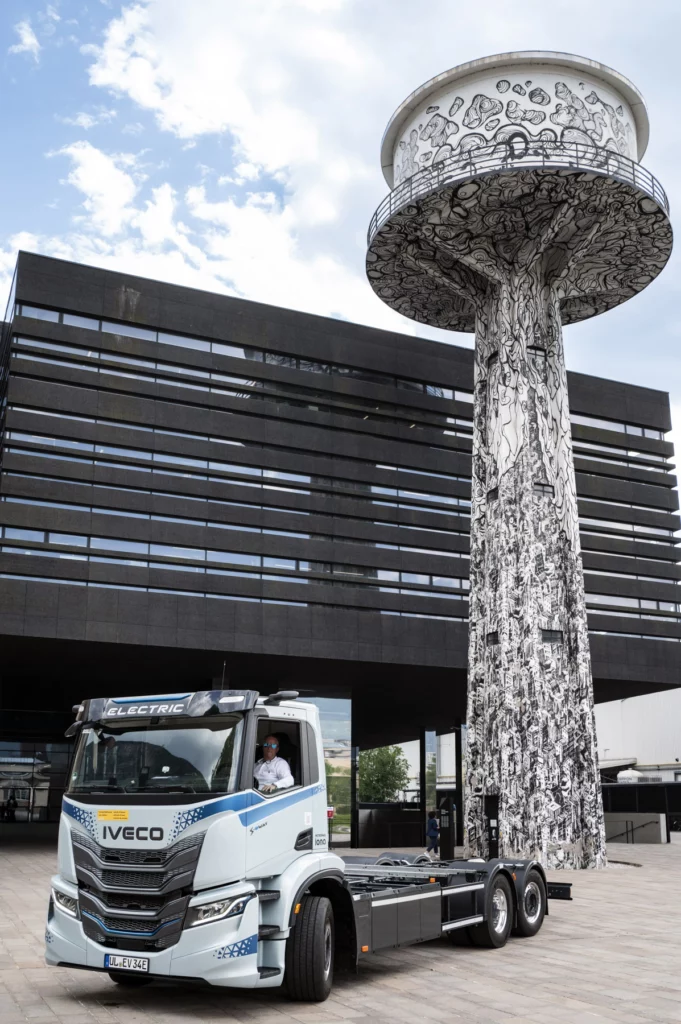
Innovation was not just a topic of discussion during the Summit—it was a tangible experience. The day before the event, interested guests had the opportunity to take part in exclusive test drives at the Safety Park in Bolzano. Participants had the opportunity to experience the latest innovations in sustainable freight transport firsthand, testing a hydrogen fuel-cell SCANIA truck and a battery-electric IVECO truck, thereby gaining direct insight into the technologies that are shaping the future of logistics.
I partecipanti hanno potuto provare in prima persona le più recenti innovazioni nel trasporto merci sostenibile, testando un camion SCANIA a celle a combustibile alimentato a idrogeno e un camion elettrico a batteria IVECO, acquisendo così una conoscenza diretta delle tecnologie che stanno plasmando il futuro della logistica.