
In today’s fast-changing and complex logistics landscape, no one can move forward alone. Guided by this belief, we hosted the GRUBER Logistics Innovation Summit 2026 at the end of May — bringing together experts, partners, and innovators to exchange ideas and explore the future of logistics. Now, we invite you to experience the highlights of the event in hindsight.
Logistics innovation at NOI Tech Park
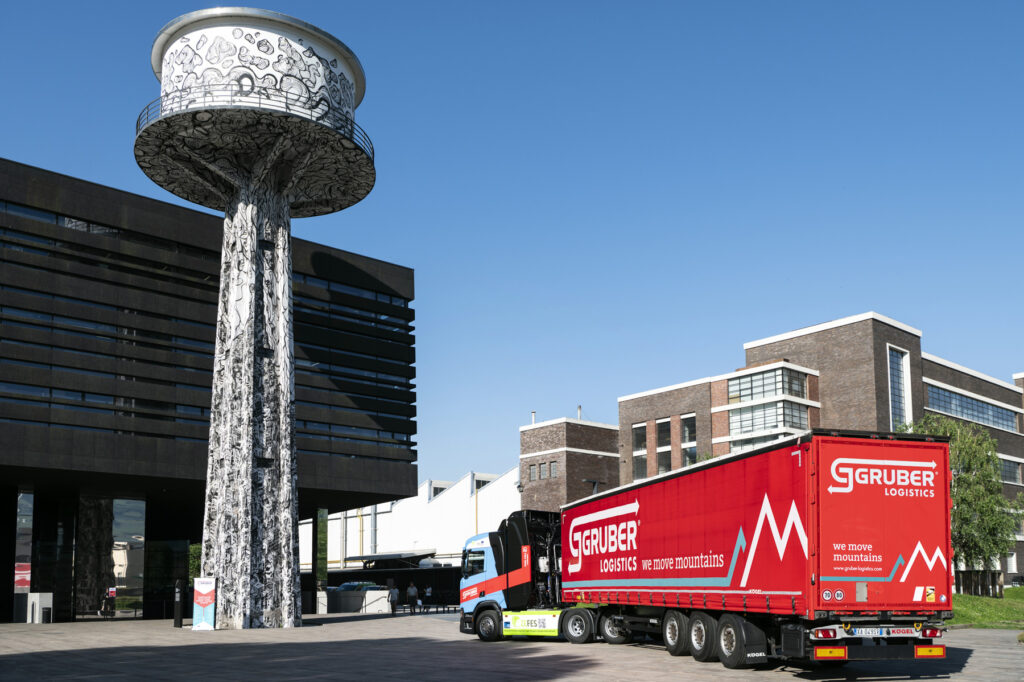
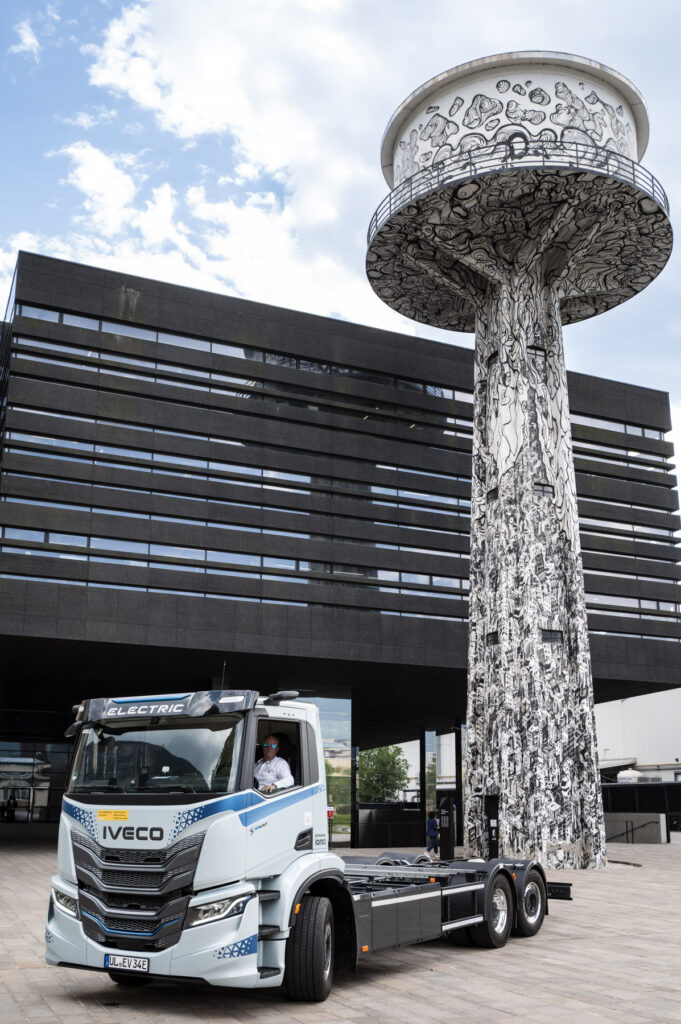
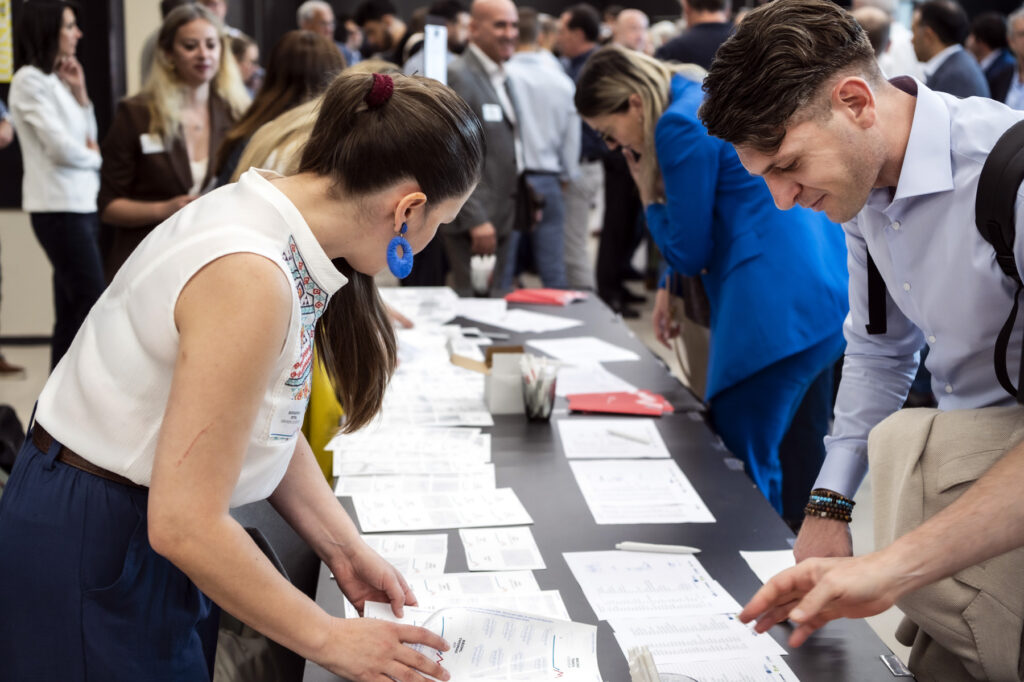
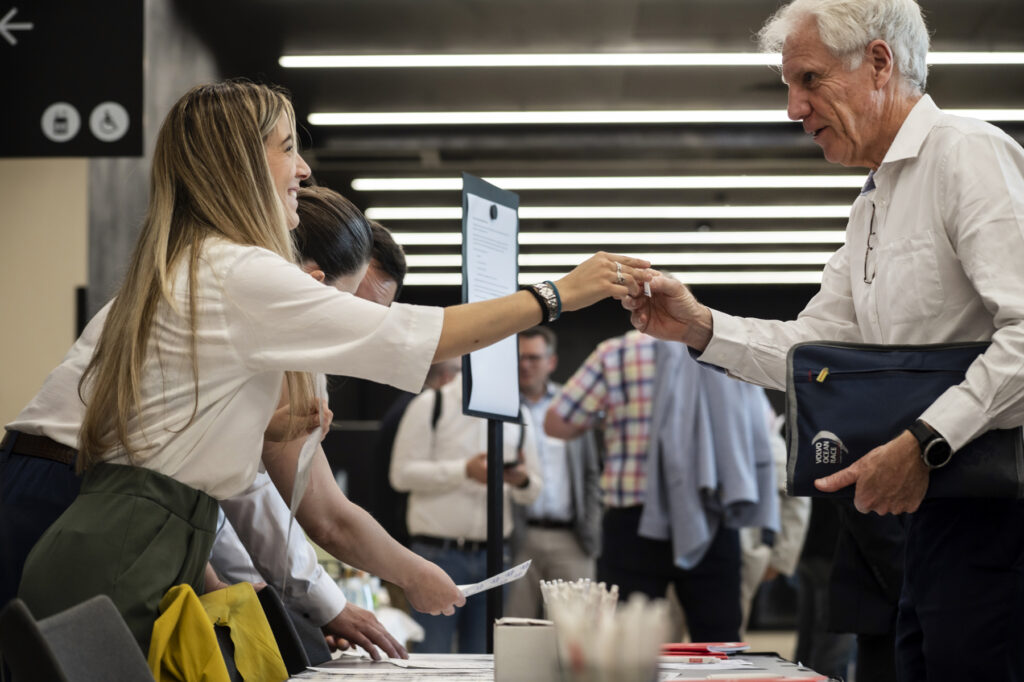
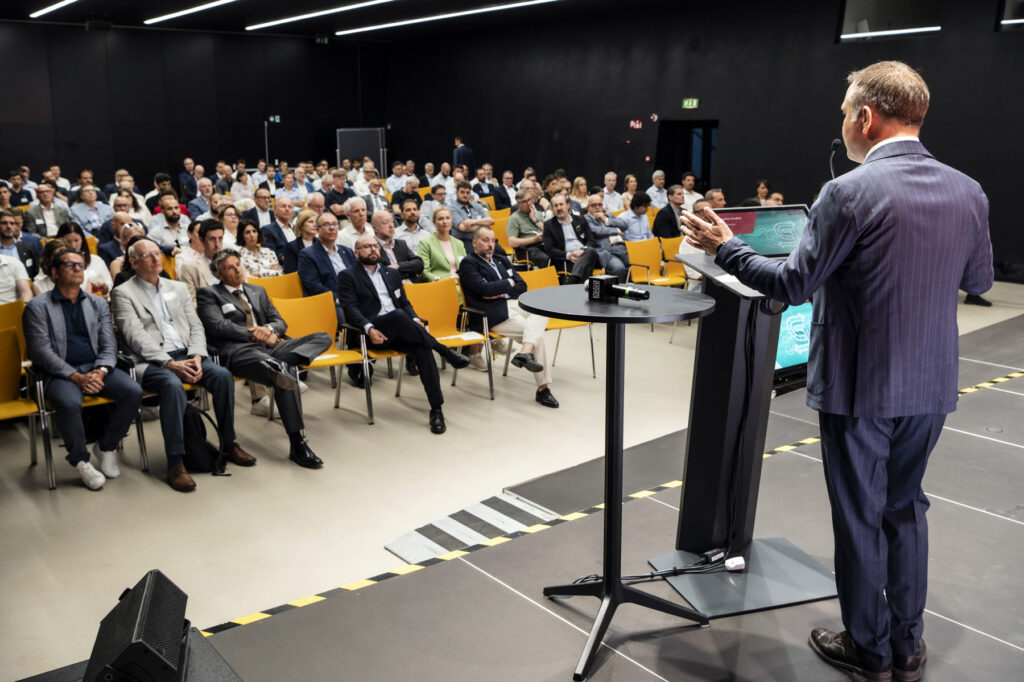
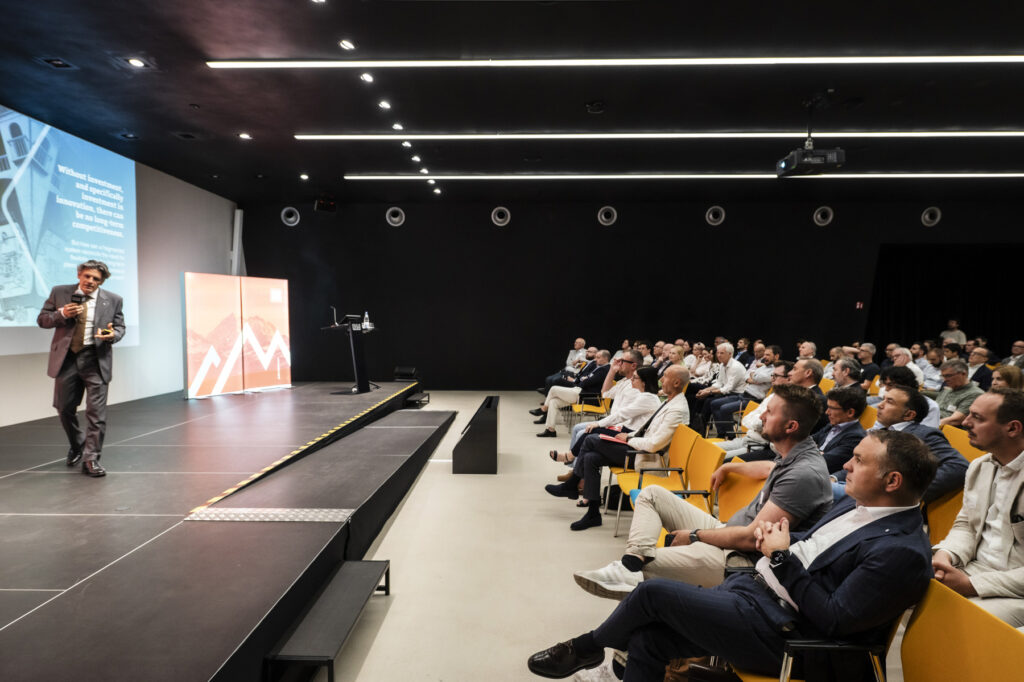
The perfect setting for an inspiring day of innovation: NOI Techpark provided the ideal backdrop for the GRUBER Logistics Innovation Summit 2026. The dynamic agenda combined expert insights, discussions, and interactive workshops focused on the future of logistics.
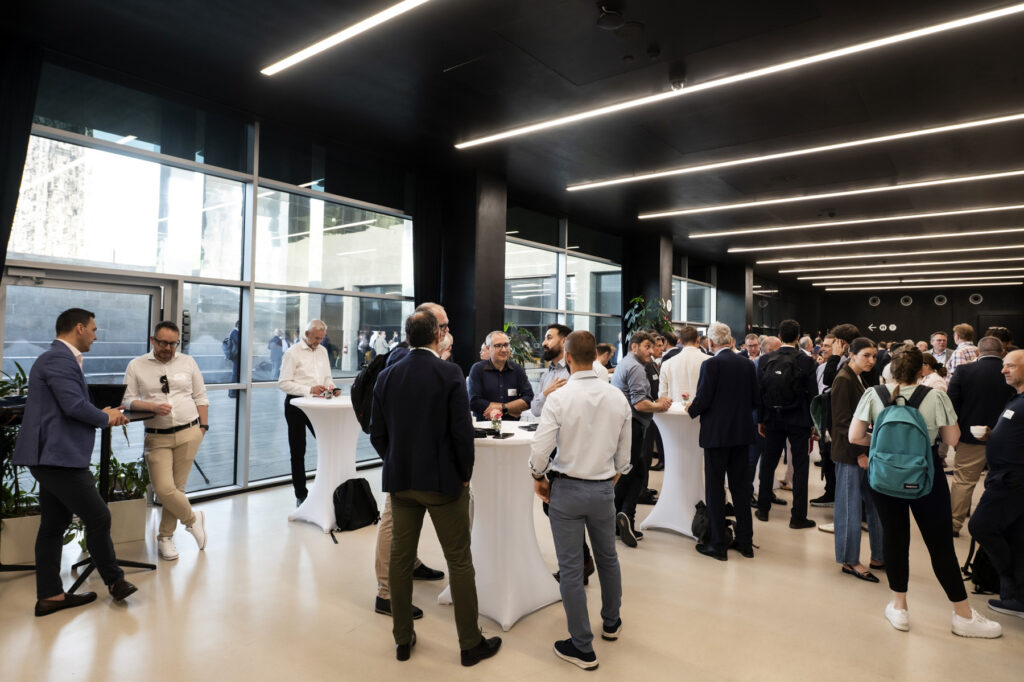
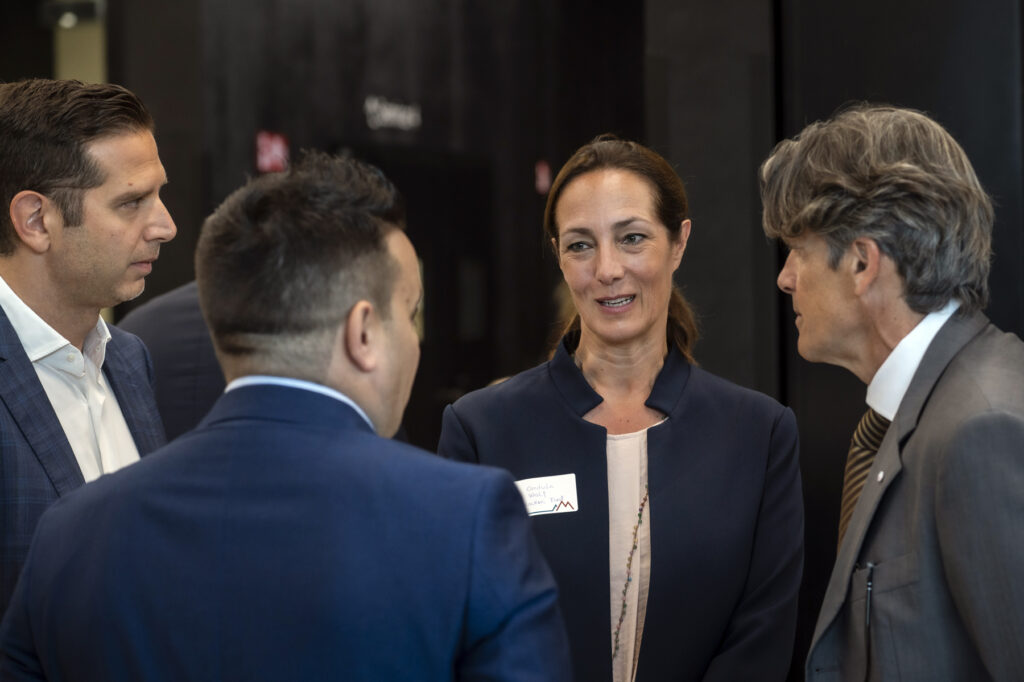
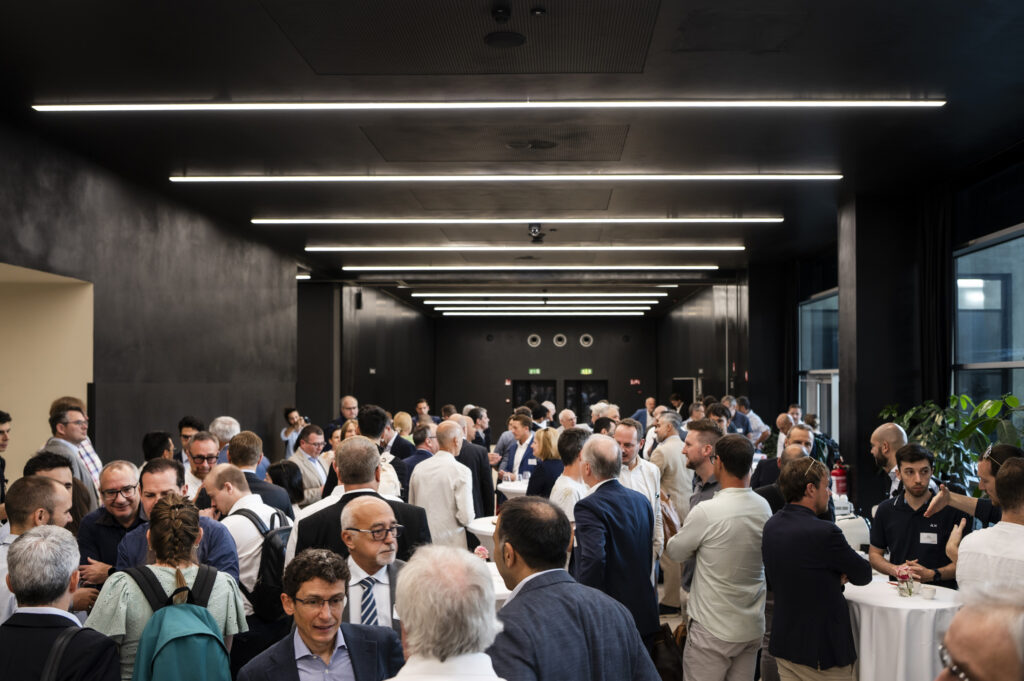
Kicking off the plenary session
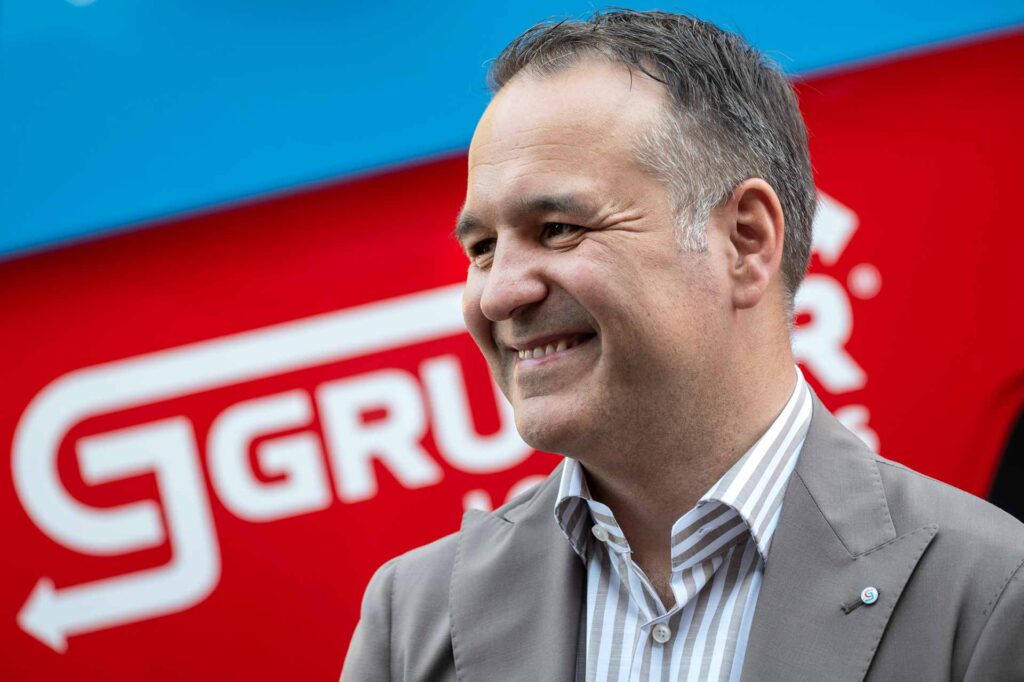
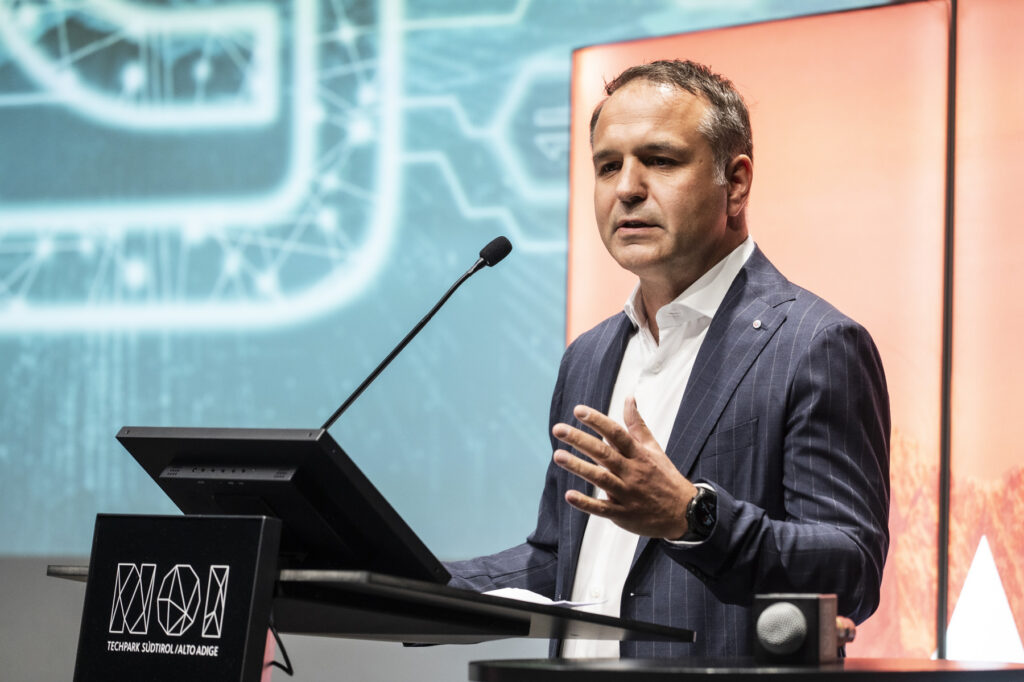
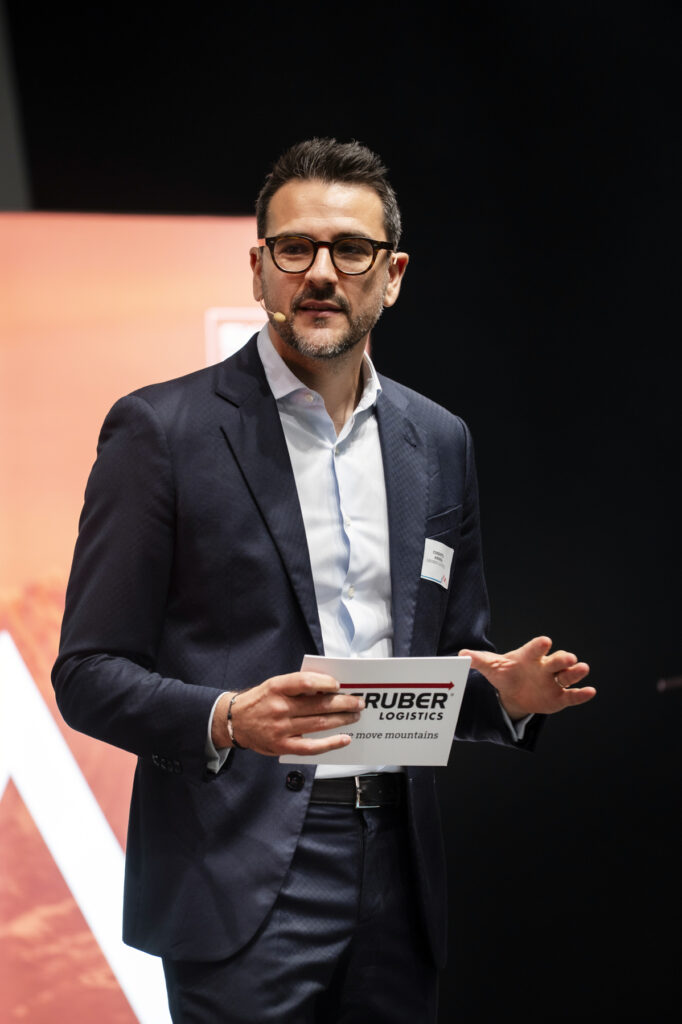
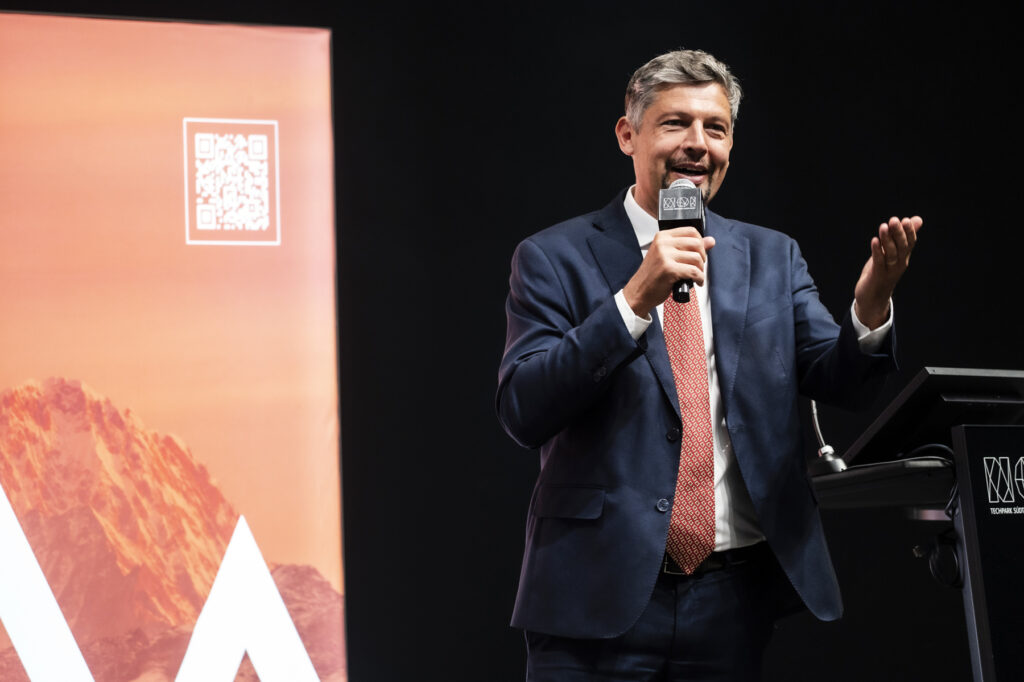
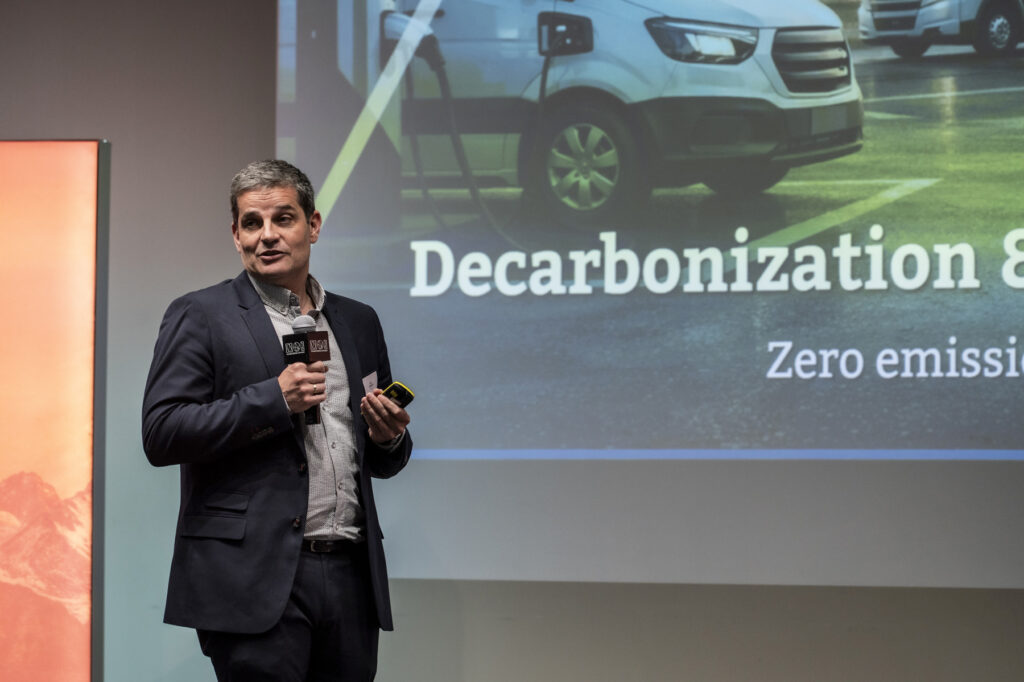
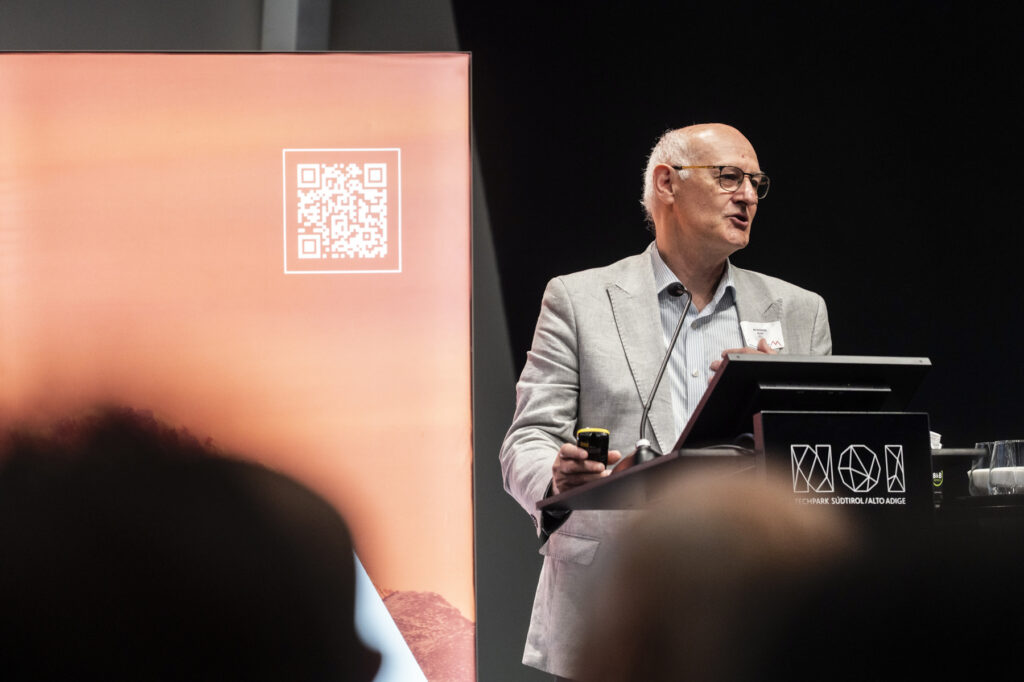
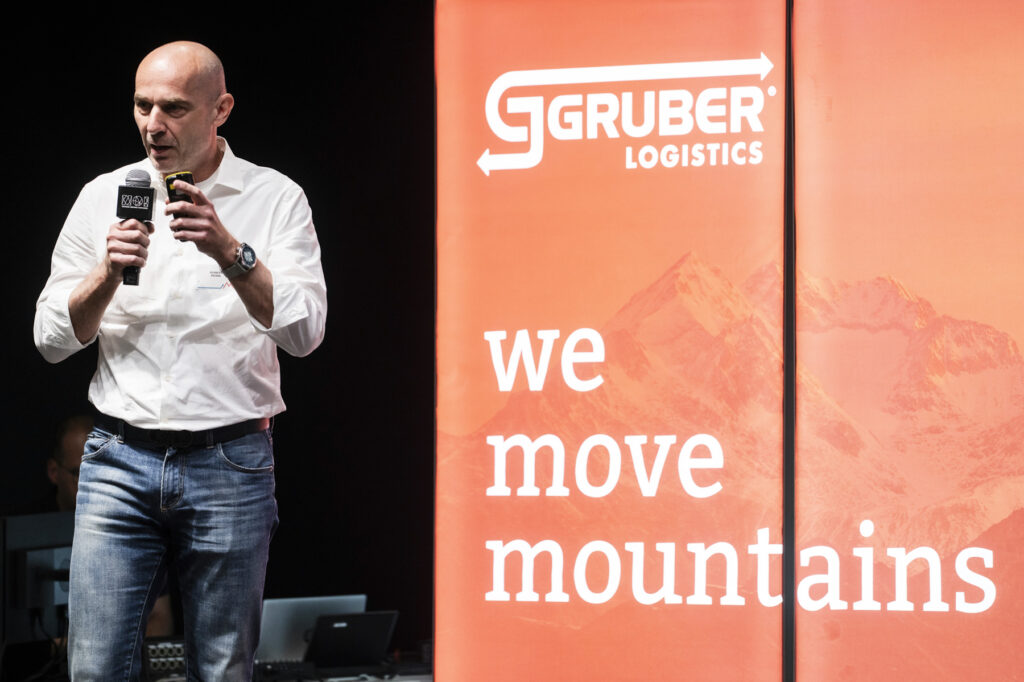
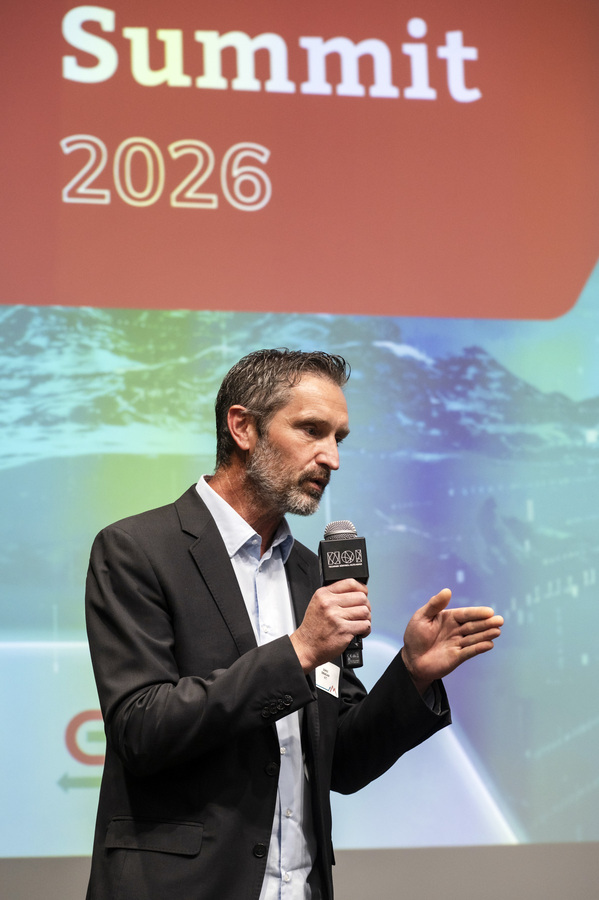
The Innovation Summit began with inspiring opening remarks and greetings from CEO Martin Gruber, NOI Tech Park, and the Province of Bolzano. The keynote sessions featured expert insights from Alan McKinnon on climate logistics, Michal Silhacek on supply chain innovation, and Fernando Liesa on emerging trends, before market challenges vs. innovation was evaluated by COO Marco Manfredini.
They key messages from speakers were:
Martin Gruber:
In our corporate vision, we have stated our ambition to set new standards for sustainability and digital innovation. This is not a goal reserved for the giants of our industry; it can only be achieved through collaboration.
Logistics is at the heart of some of the most profound transformations reshaping our economy. Innovation in our sector cannot be approached as a technology shift alone: zero-emission transport, digitalisation and automation all require an ecosystem perspective, where infrastructure, energy, technology, operations and policy evolve together. The real challenge is not simply deploying new technologies, but creating the conditions for them to work at scale across increasingly complex supply chains.
Making logistics more sustainable is more important today than ever. The political context may change, and priorities may shift, but the underlying numbers do not. Freight demand will continue to grow, and so will the challenge of reducing its environmental impact. Decarbonising logistics is therefore not a matter of political momentum, but a structural challenge that our sector must address.
Innovation does not happen simply because two organisations decide to collaborate. It happens when people choose to work together, build trust, share ideas and take risks together. Behind every successful partnership are individuals who create the relationships that make innovation possible.
Fernando Liesa:
The logistics system sits at the center of some of the world’s most significant infrastructure challenges. Closing the gaps in road, rail, and energy networks is essential to enabling zero-emission freight, strengthening supply chain competitiveness, and building long-term resilience.
Alan McKinnon:
A climate logistics perspective is driven by the recognition that future logistics demand will be both larger and more diverse than currently projected.
Michal Silhacek:
Supply chain innovation thrives on collaboration—combining effort, expertise, and ambition to achieve what no organization can accomplish alone.
Marco Manfredini:
For too long, logistics in Europe has been treated primarily as an operational function, overlooking its geopolitical and strategic importance. Logistics is not simply about moving goods efficiently; it shapes Europe’s competitiveness, resilience and ability to access markets. Failing to recognise logistics as a strategic asset ultimately limits Europe’s own capacity to grow.
Awarding our innovative customers
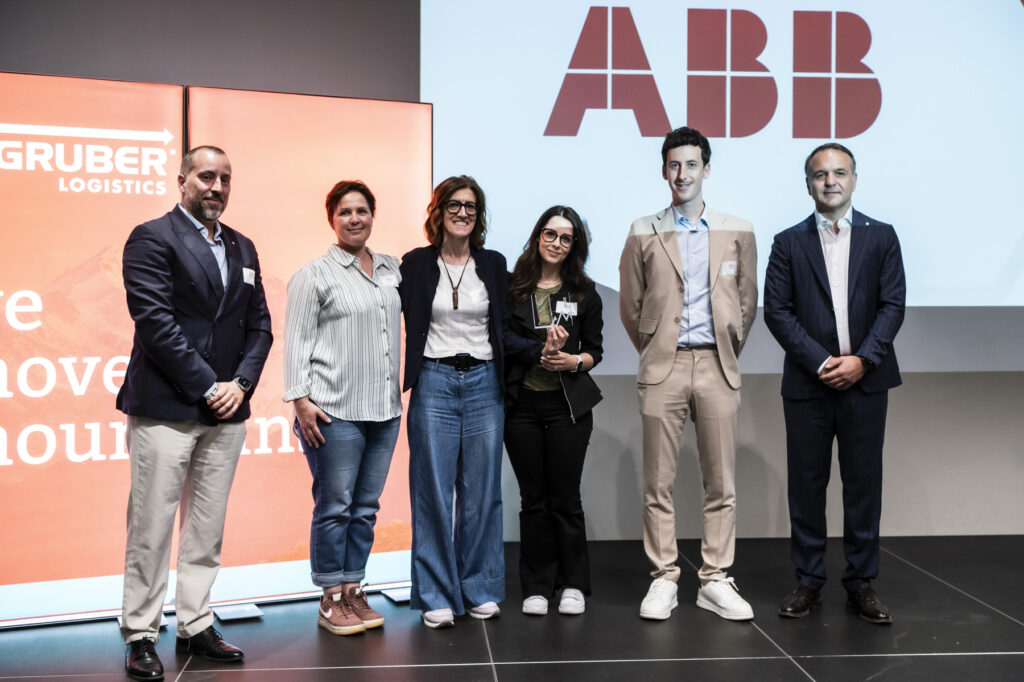
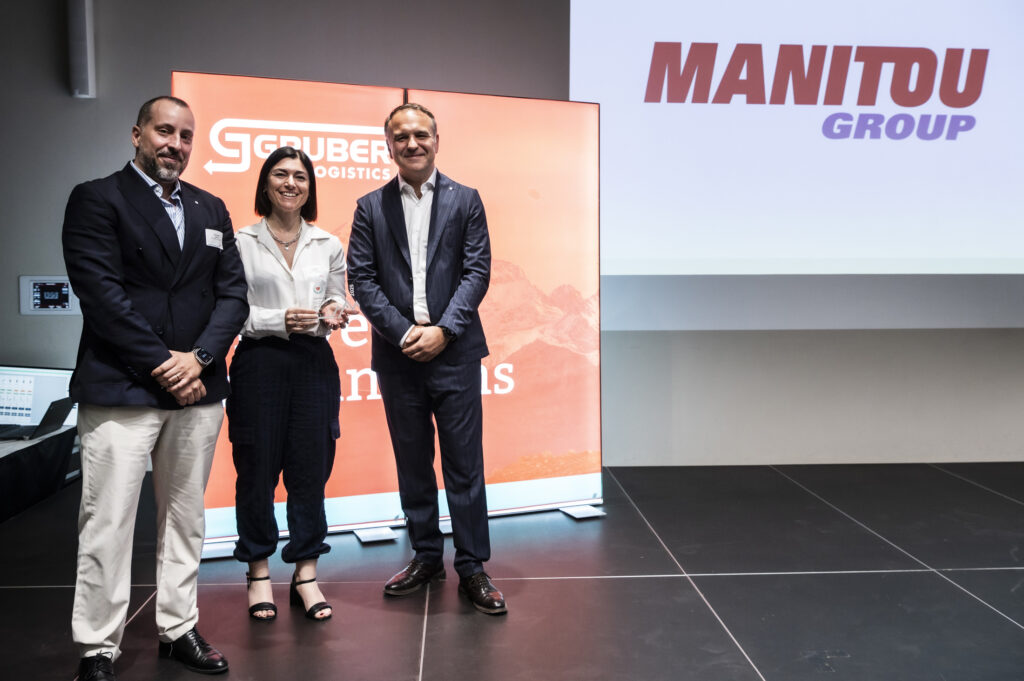
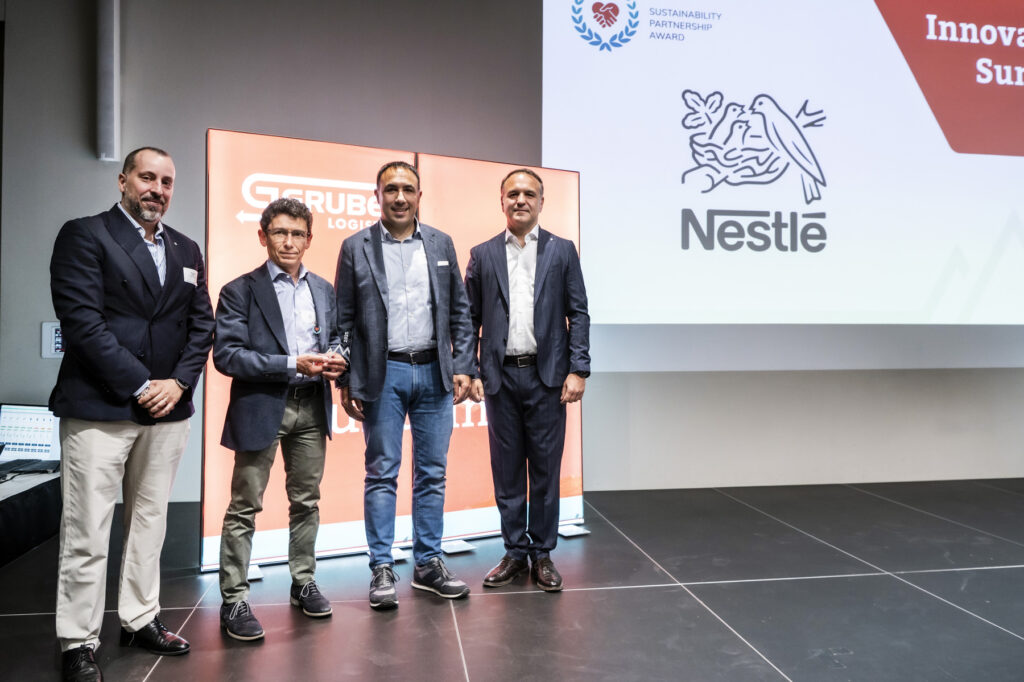
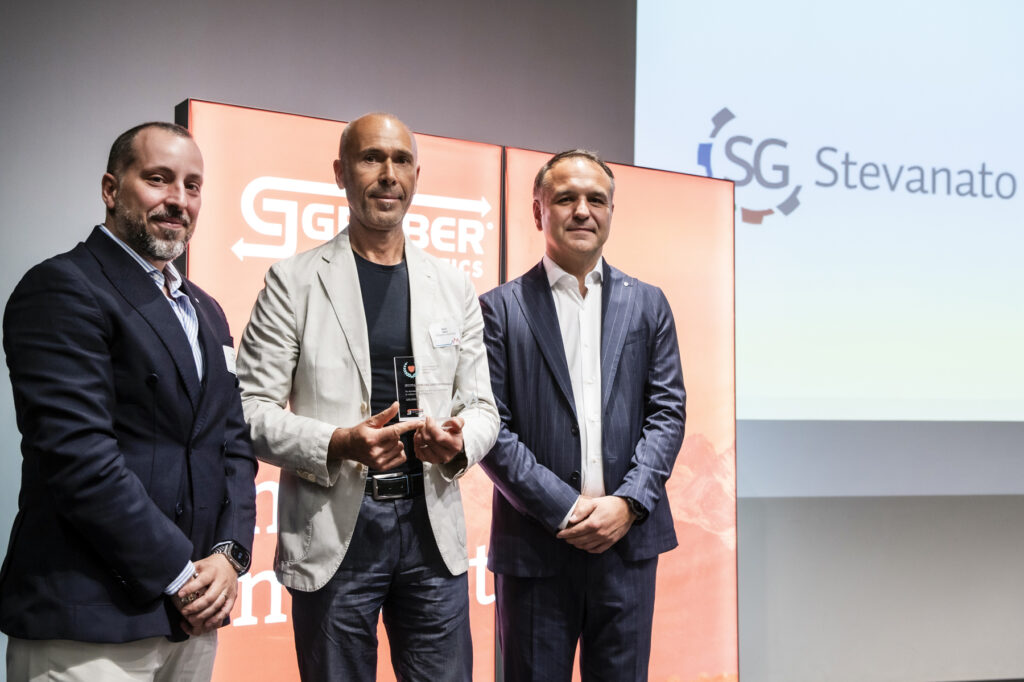
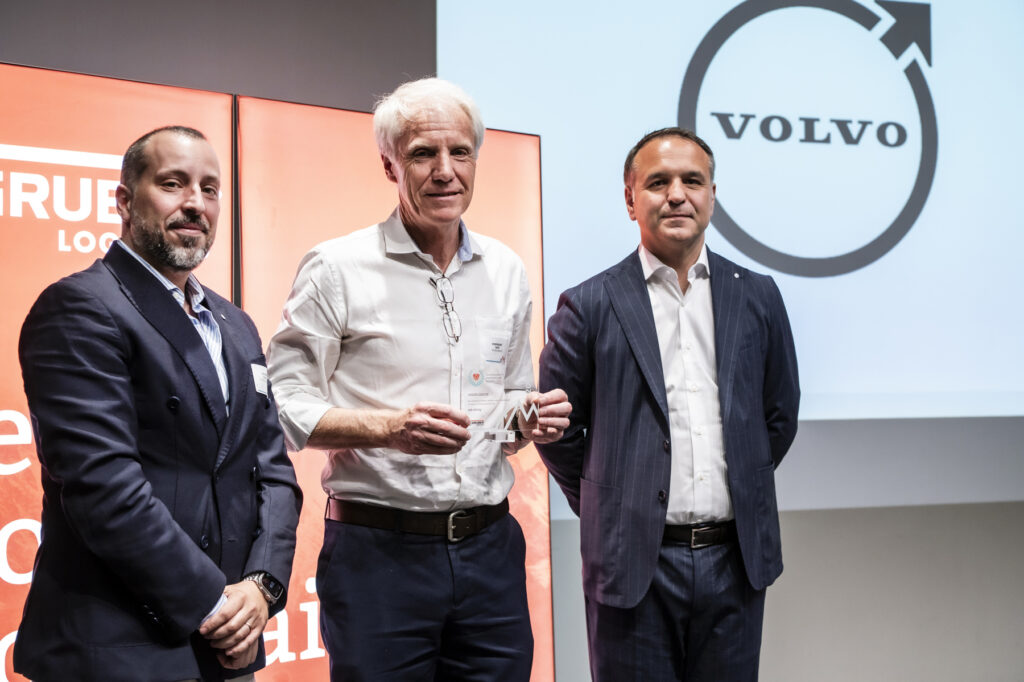
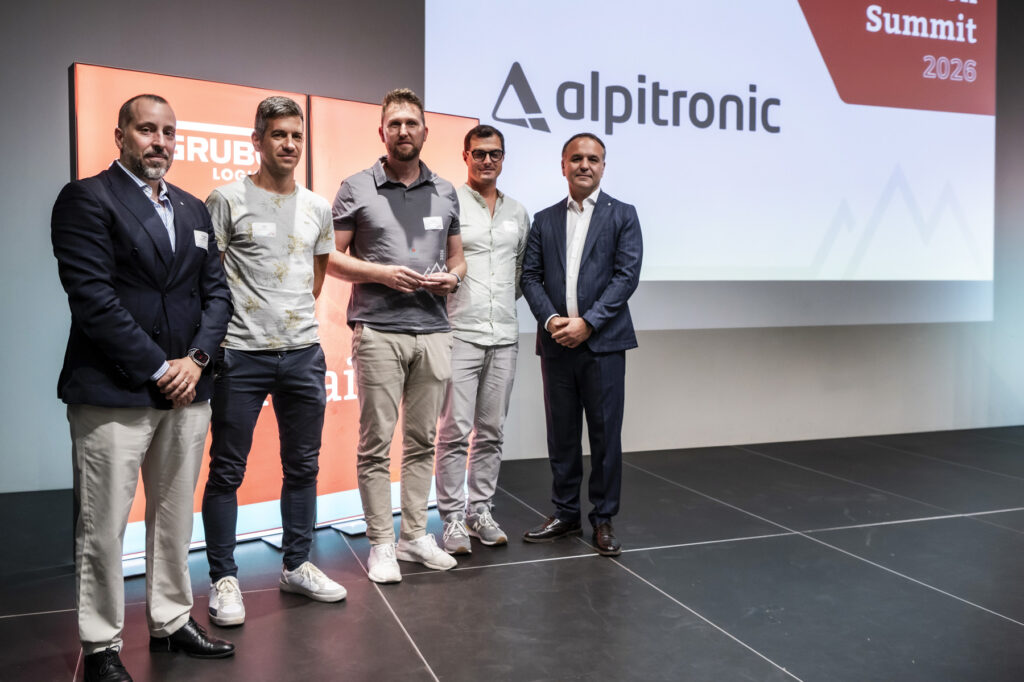
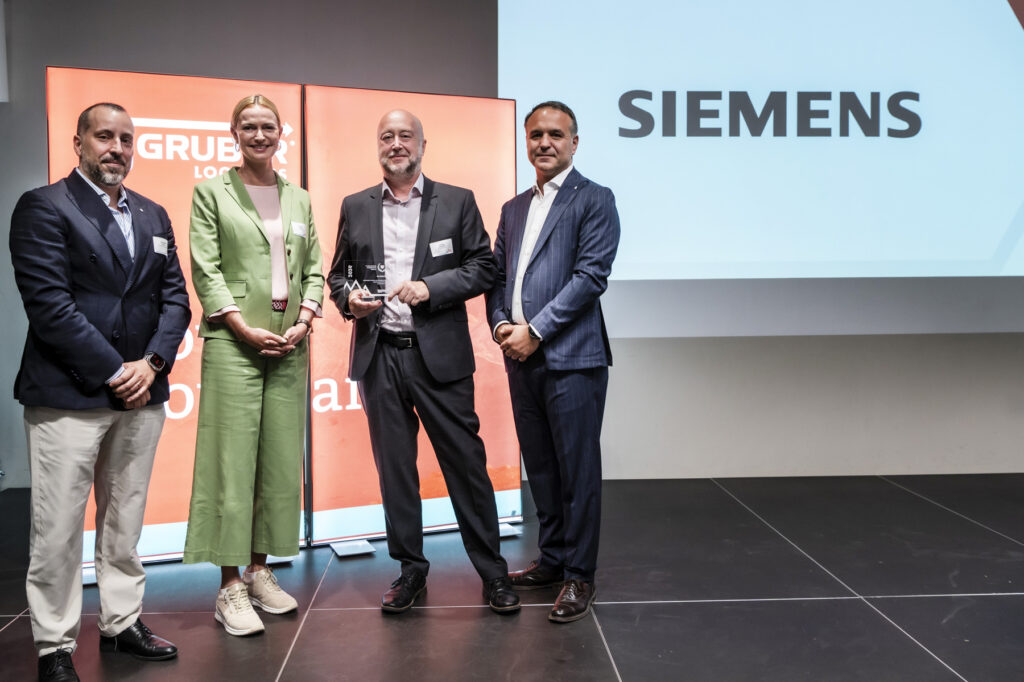
To conclude the plenary session, GRUBER Logistics recognized customers whose commitment to innovation is helping shape a more sustainable future for logistics. ABB, Alpitronic, Manitou, Nestlé, Stevanato Group, SIEMENS, and Volvo were honoured for implementing innovative transport solutions that contribute to reducing emissions and advancing more sustainable supply chains.
Four thematic sessions in the afternoon
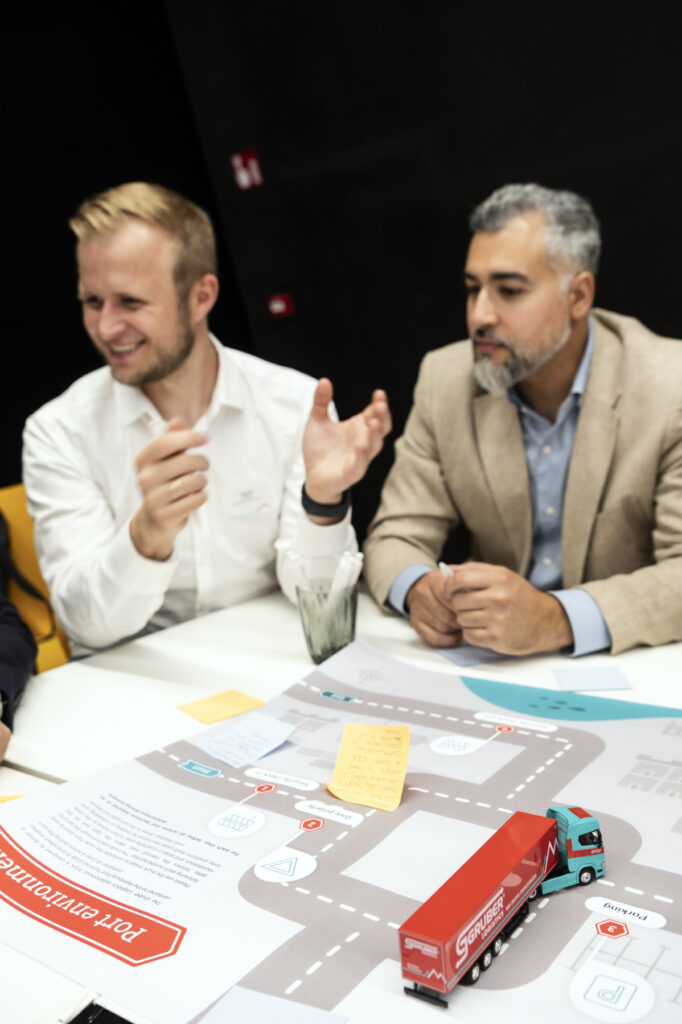
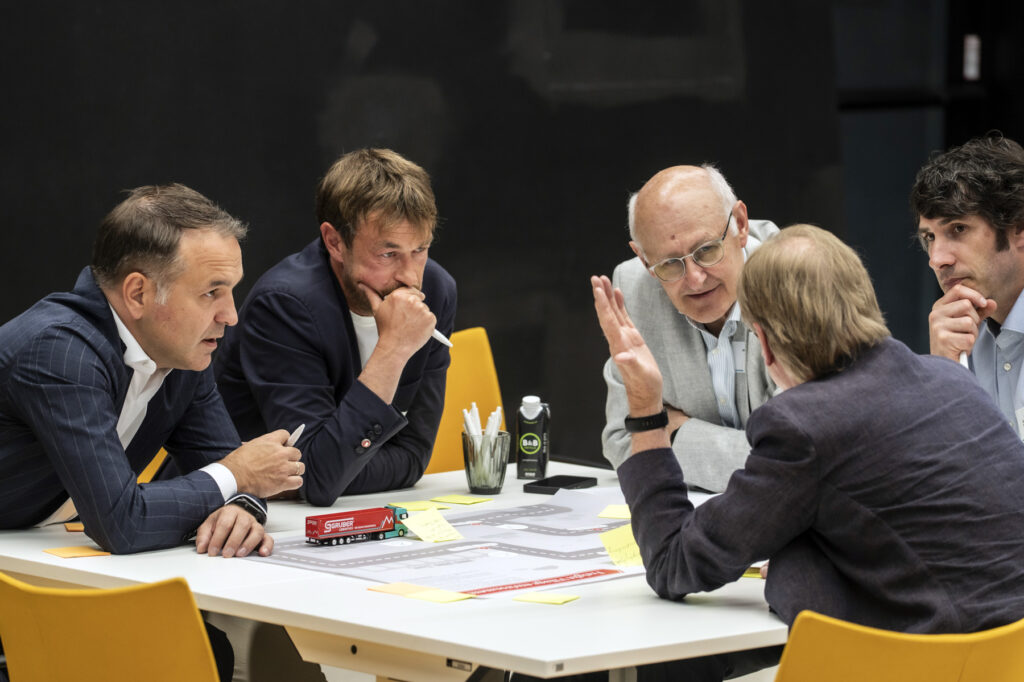
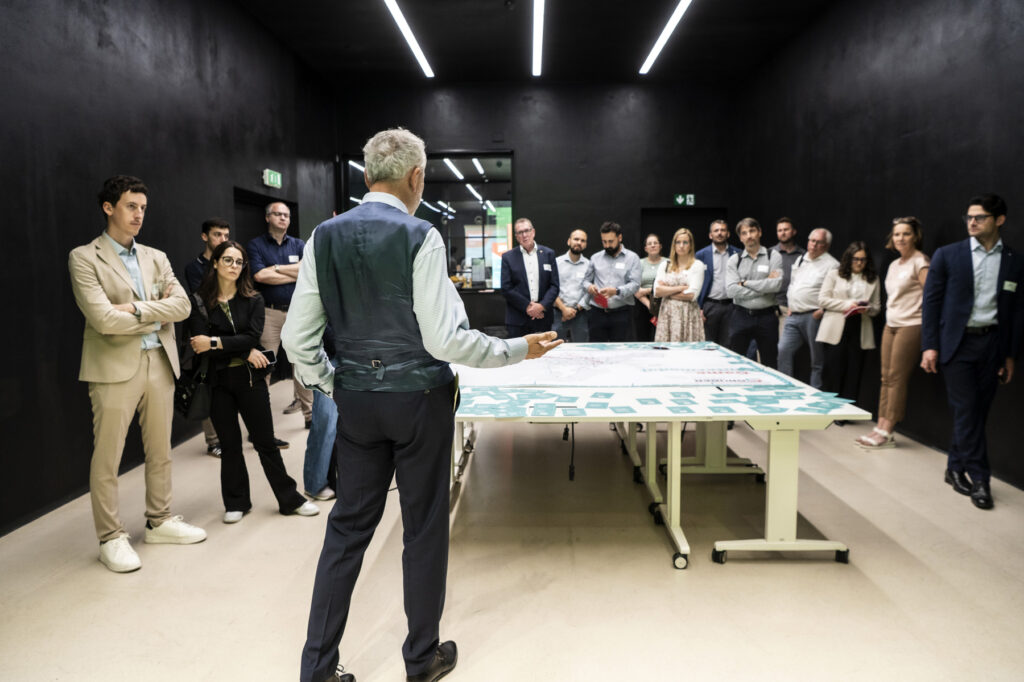
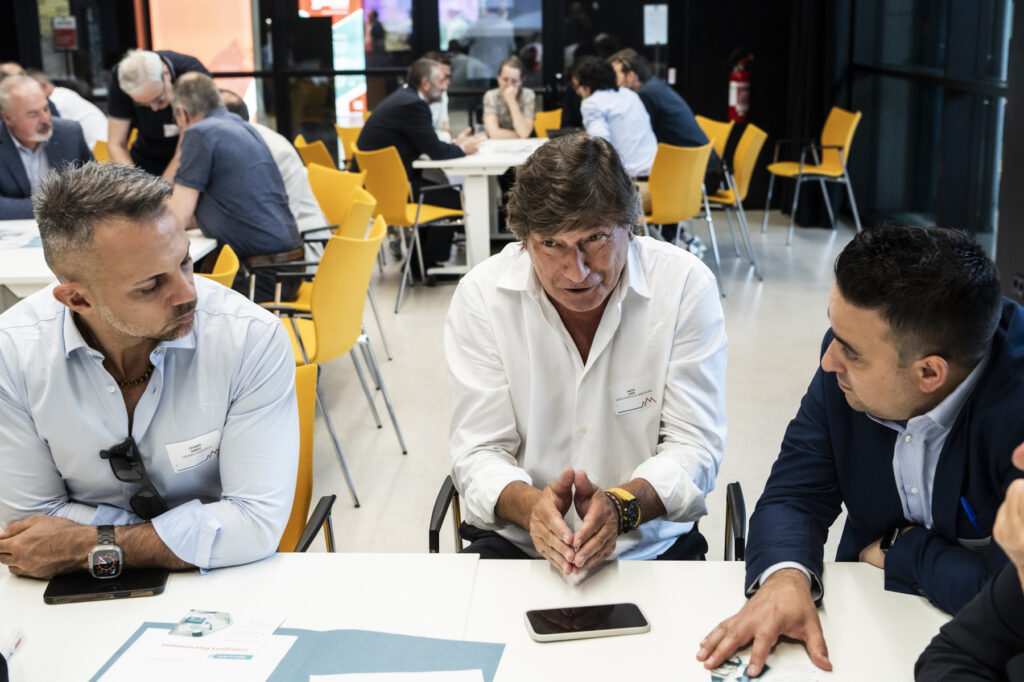
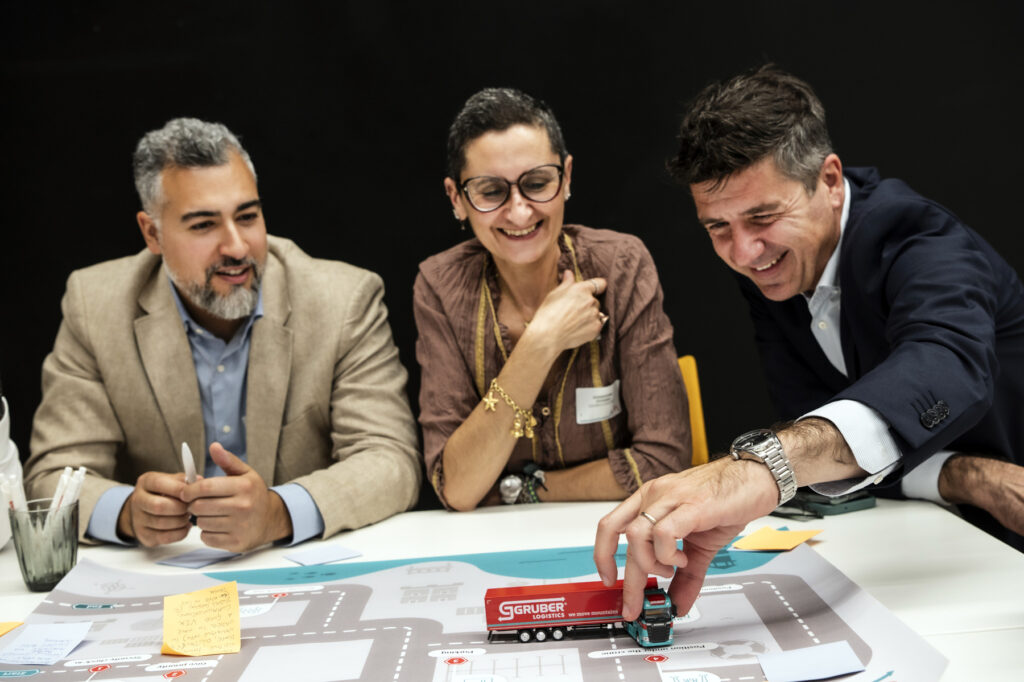
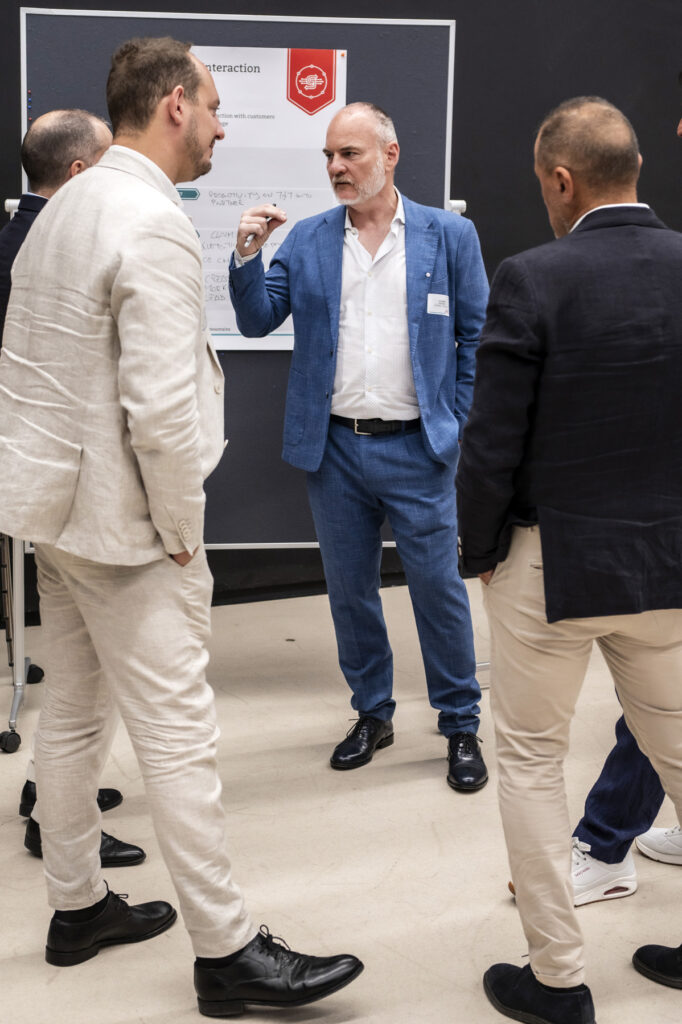
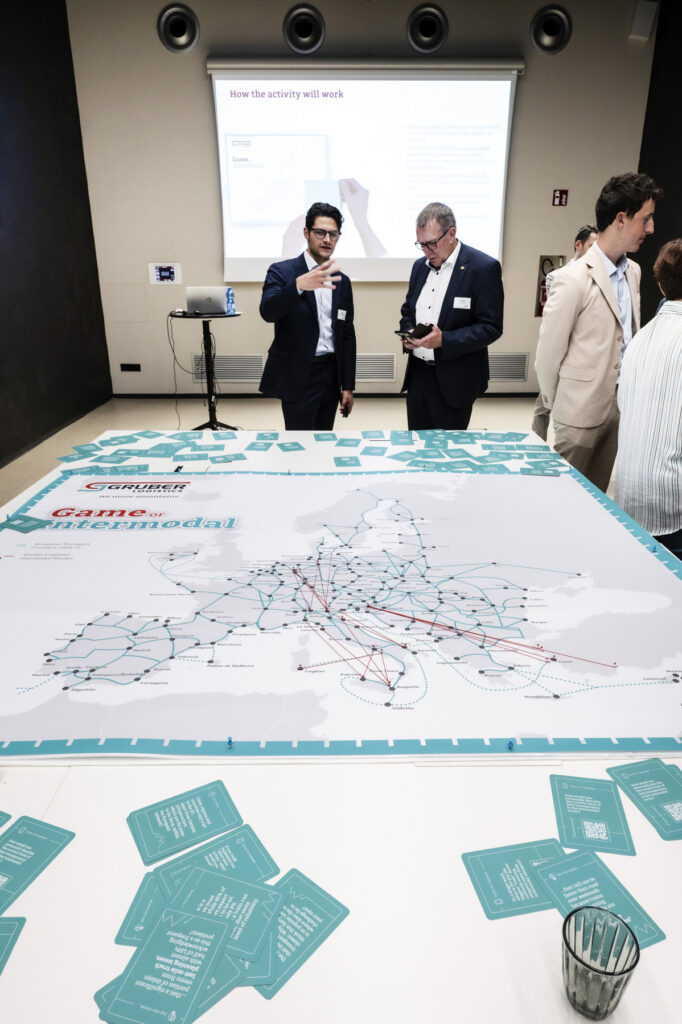
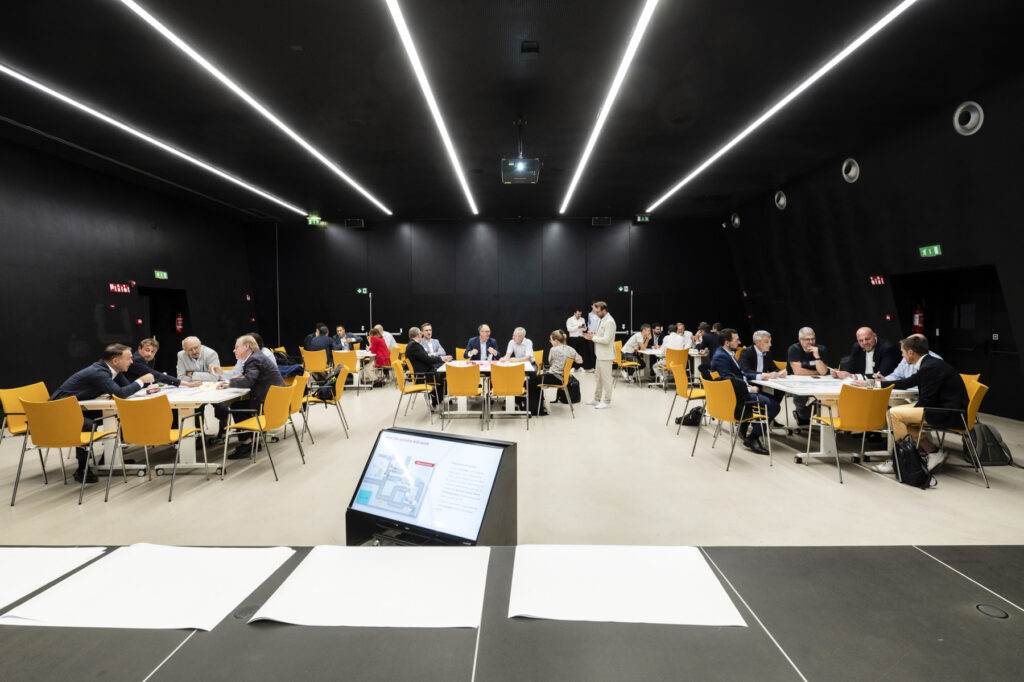
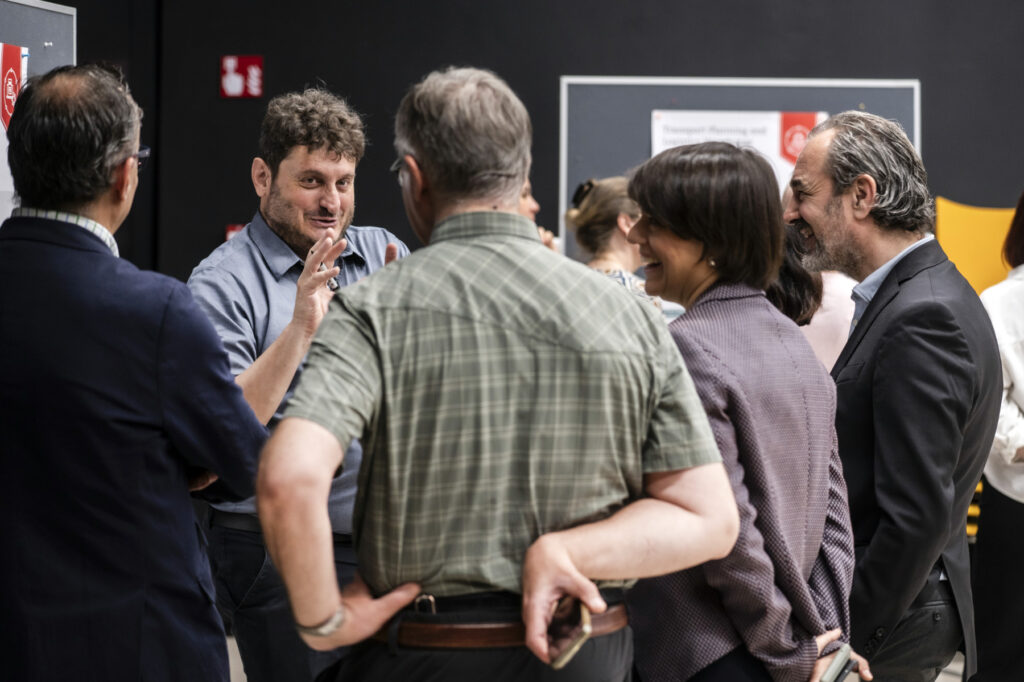
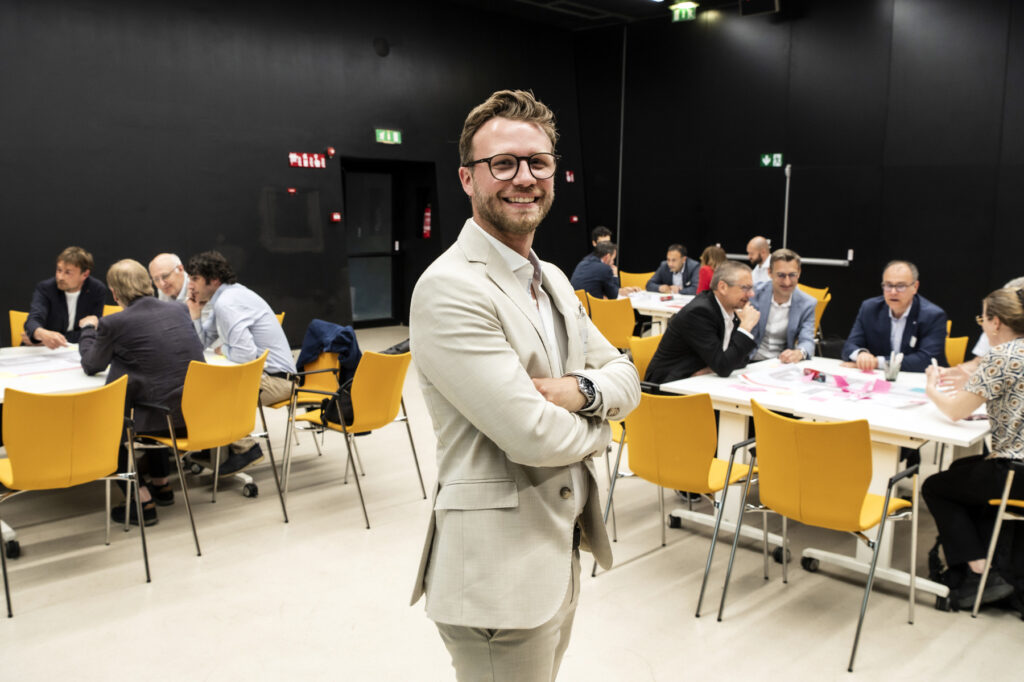
The second part of the Innovation Summit moved from inspiration to interaction. Participants were divided into four rotating workshop groups, each exploring a key topic shaping the future of logistics. Guided by industry experts, the sessions encouraged open discussion, knowledge exchange, and the development of new perspectives on innovation.
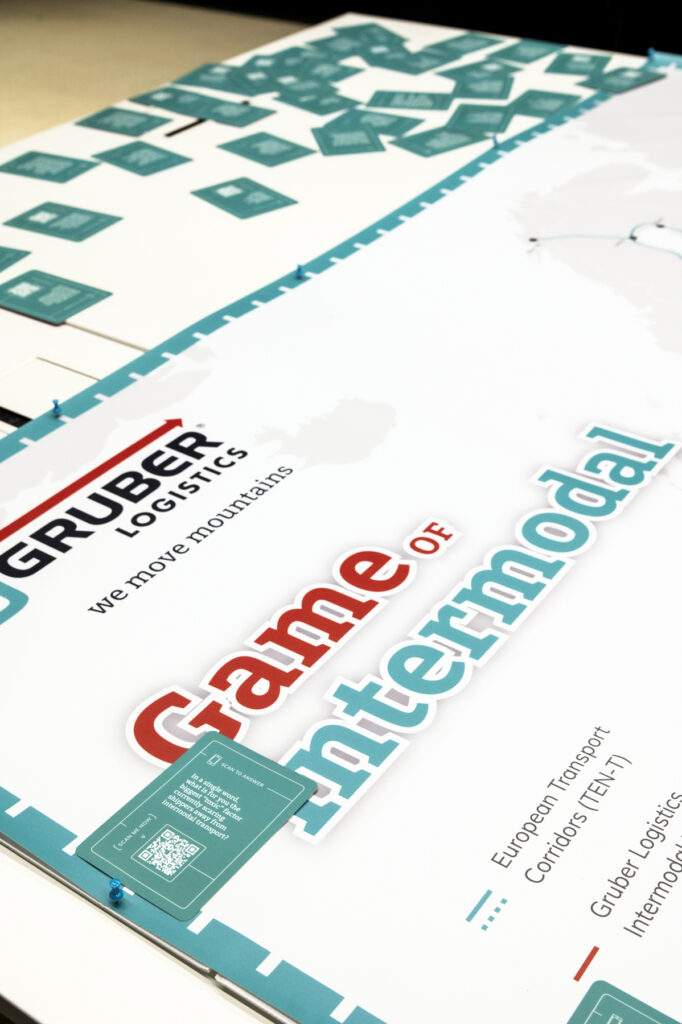
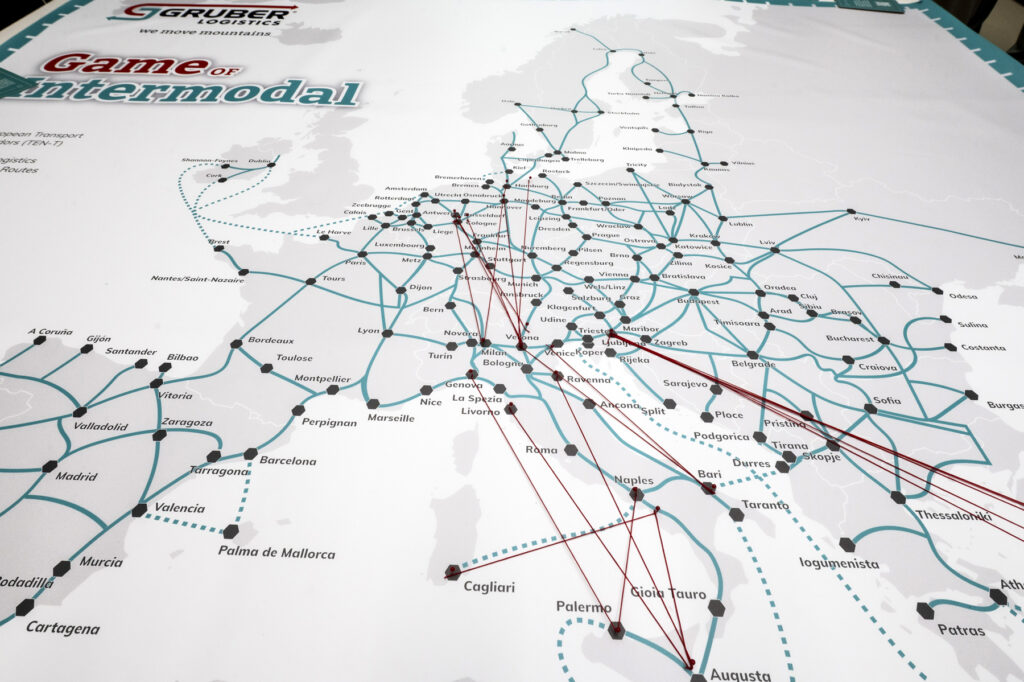
The workshops covered four major areas: automation and AI, moderated by Sergio Barbarino; intermodal transport, moderated by Serge Schamschula; alternative fuels, moderated by Dragan Simic; and autonomous freight transport, moderated by Tim Johannes.
Truck prototypes for everyone to experience
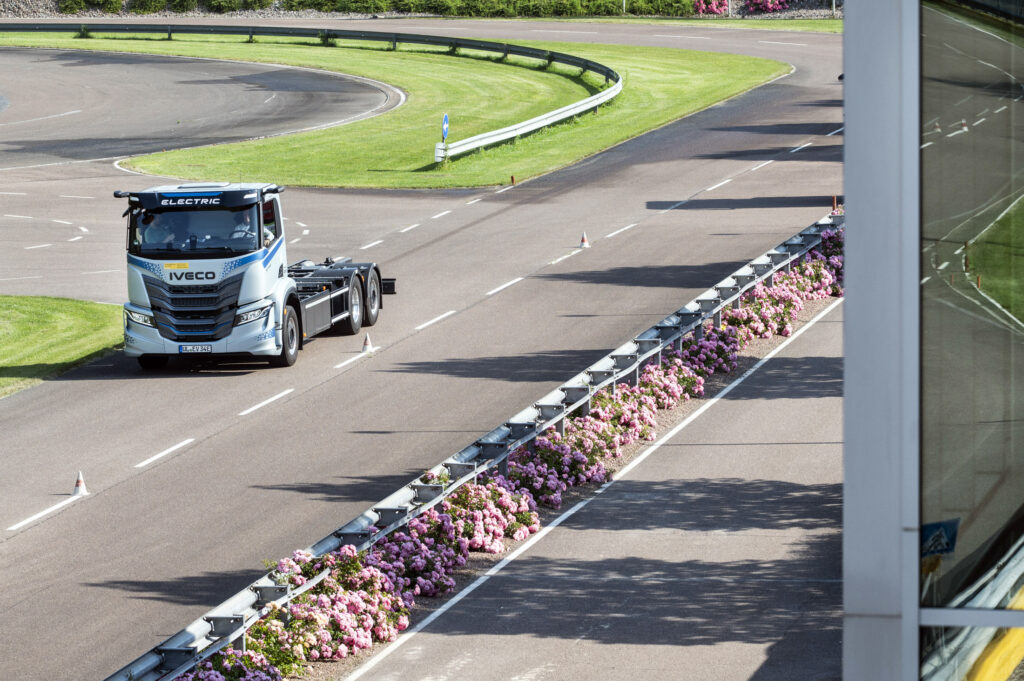
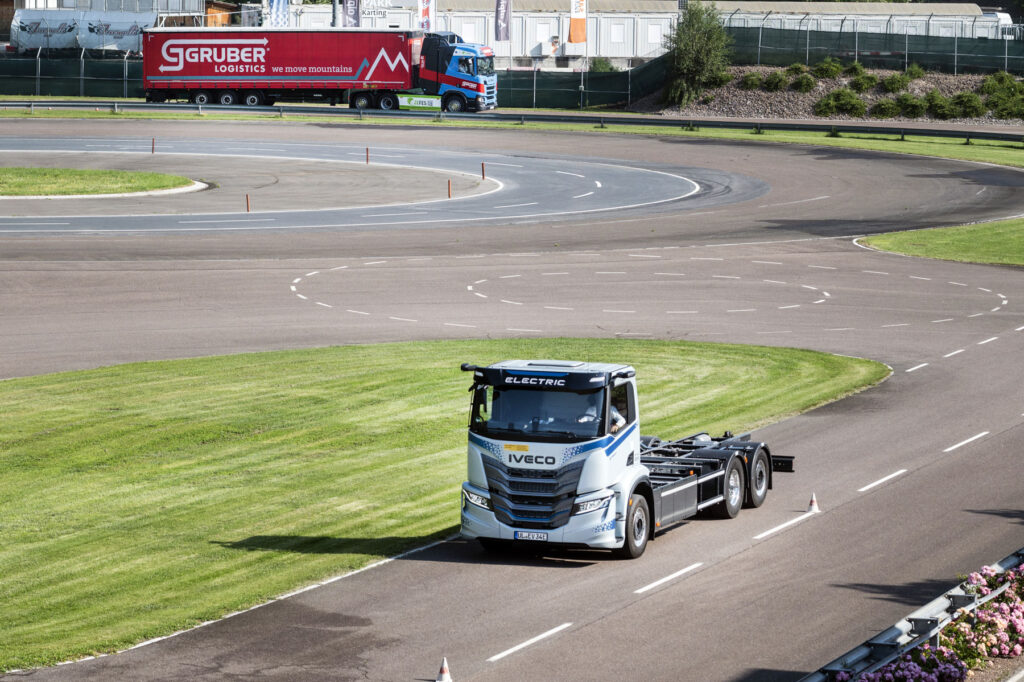
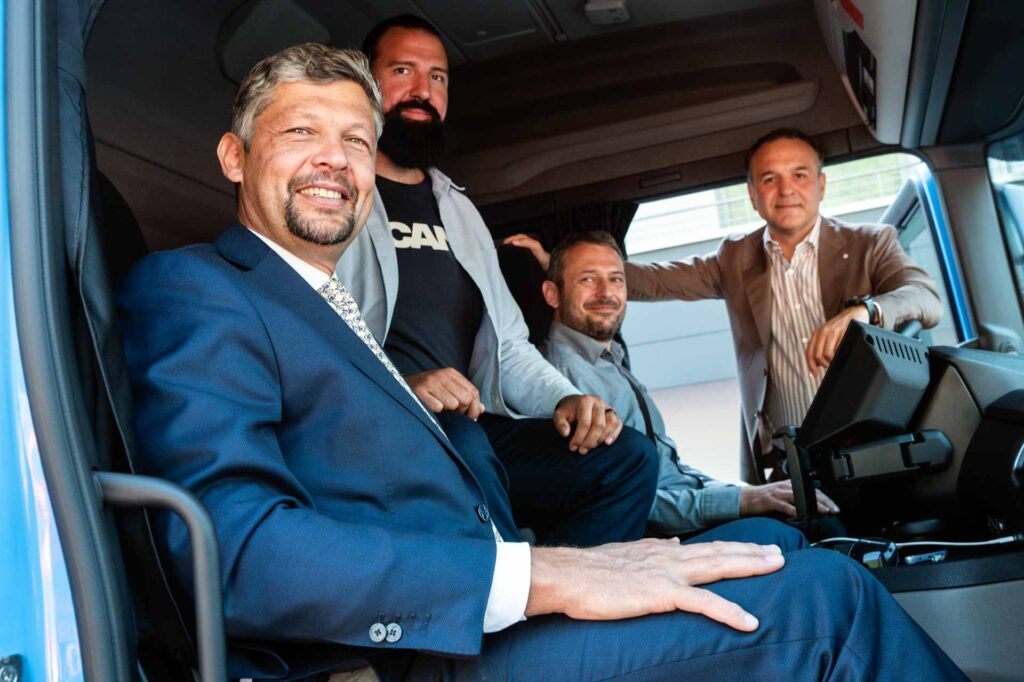
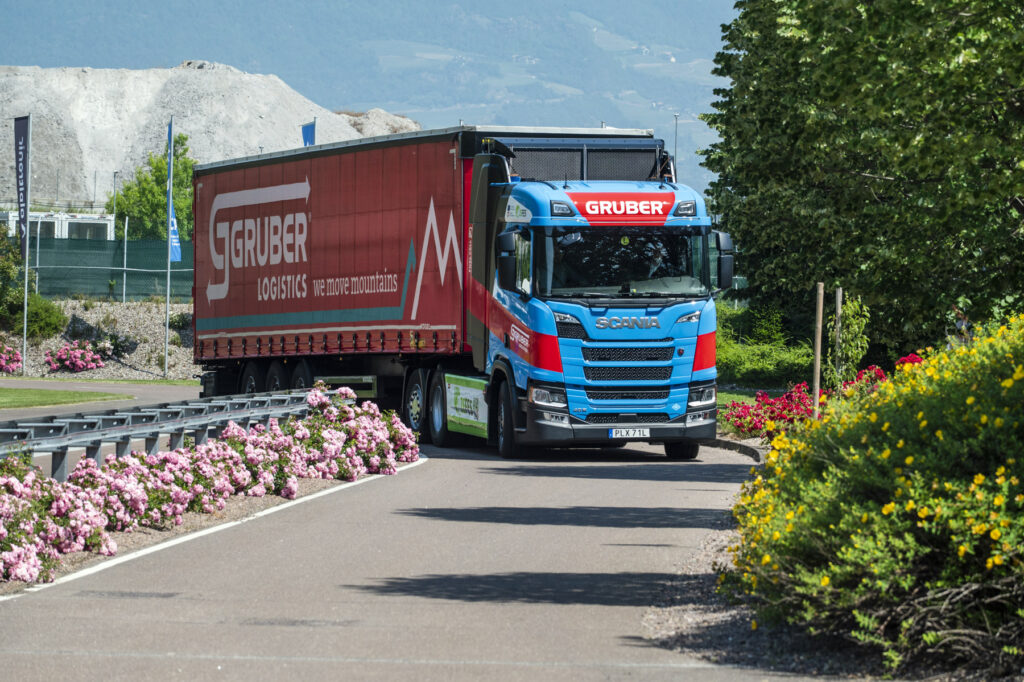
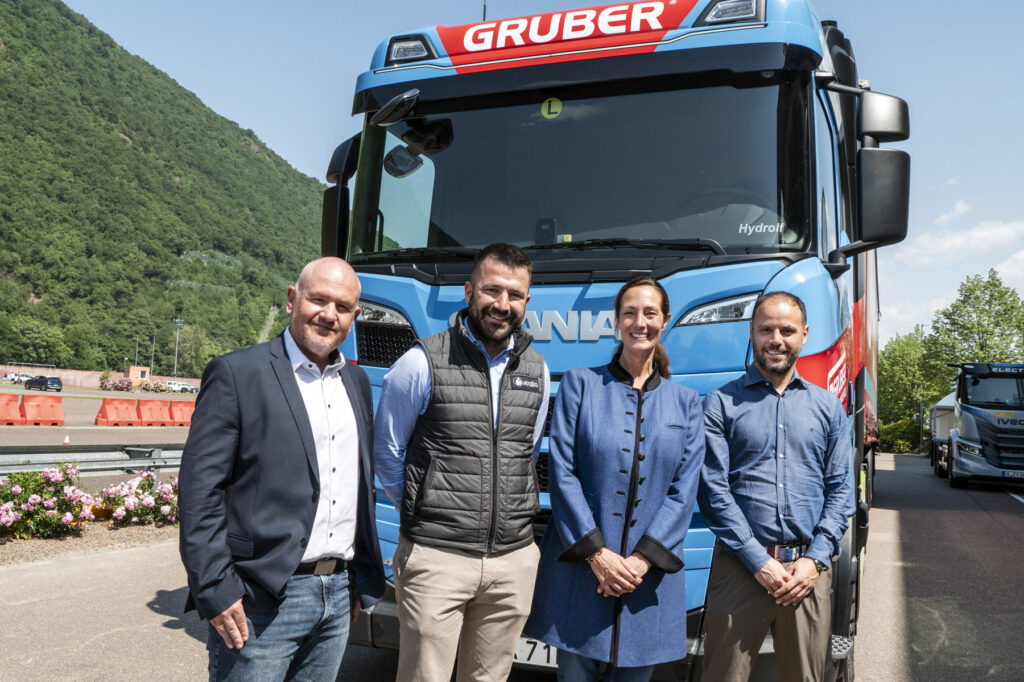
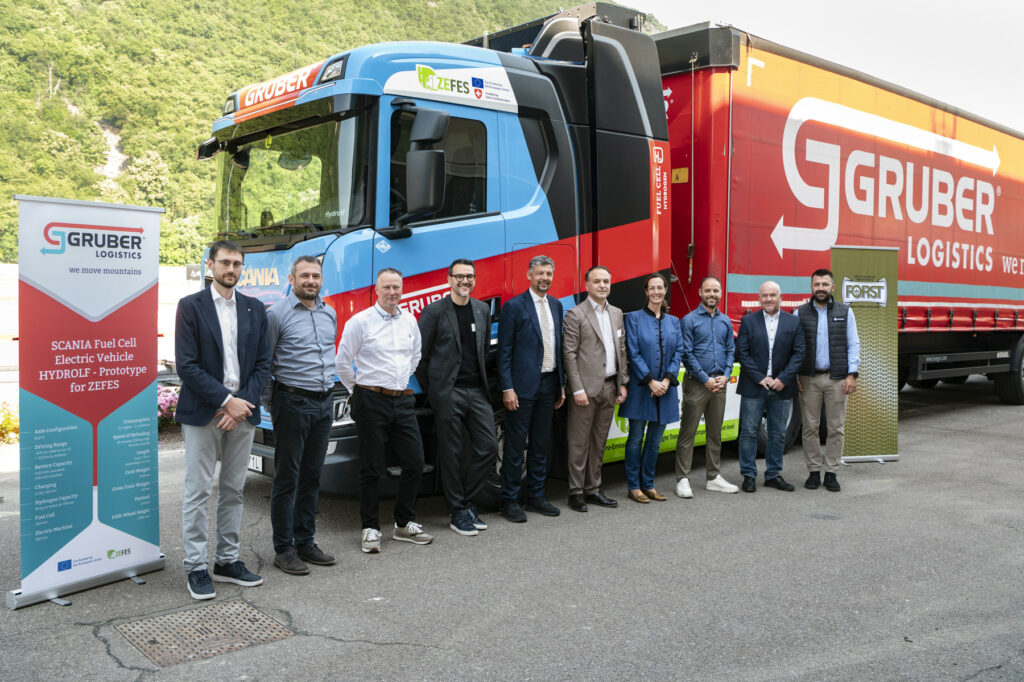
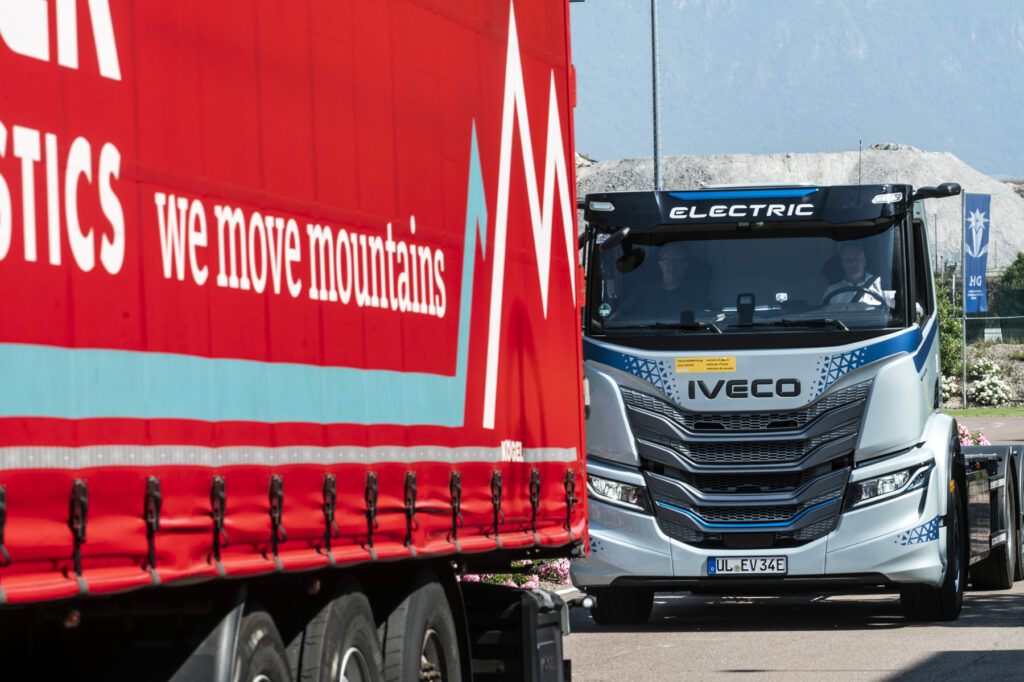
Innovation was not only discussed at the summit — it was experienced firsthand. On the day before the event, interested guests had the opportunity to take part in exclusive test drives at the Safety Park in Bolzano.
Participants could experience the latest developments in sustainable freight transport by testing a SCANIA hydrogen fuel cell truck and an IVECO battery electric truck, gaining practical insights into the technologies shaping the future of logistics.